
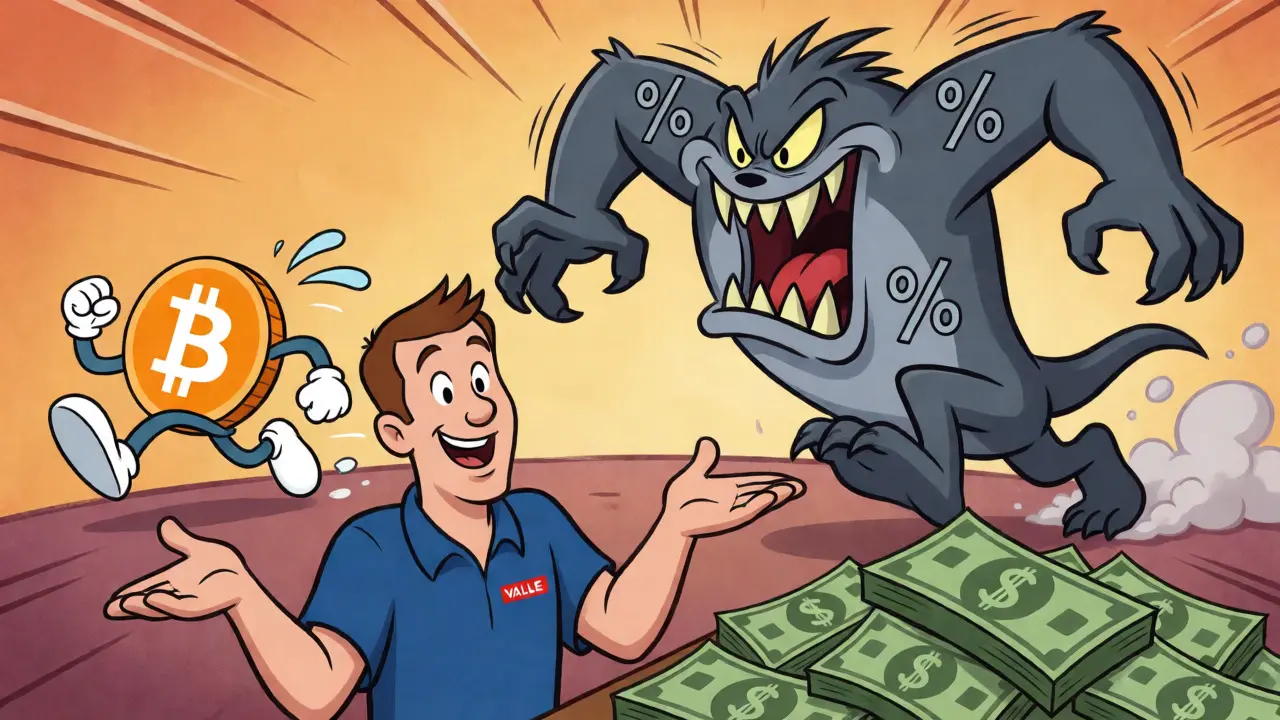
You might have heard whispers about a Steam crypto exchange. Maybe a friend mentioned it, or you saw an ad promising to trade Bitcoin for game keys. But here is the hard truth that saves you from wasting time and money: there is no such thing as a legitimate Steam crypto exchange. Valve Corporation, the company behind Steam, does not operate a cryptocurrency trading platform. If you are looking to buy, sell, or store digital assets on Steam, you are chasing a ghost.
This confusion is surprisingly common. It stems from a brief period years ago when Steam accepted Bitcoin as a payment method. That experiment ended in 2017. Today, if you see a website claiming to be the "official" Steam crypto exchange, it is almost certainly a phishing site designed to steal your login credentials or private keys. Let’s break down why this myth persists, what actually happened with Bitcoin on Steam, and how you can still use crypto to buy games today.
The Myth of the Steam Crypto Exchange
Let’s clear up the terminology first. A cryptocurrency exchange is a platform where users trade digital assets like Bitcoin or Ethereum for other currencies or tokens. Examples include Binance, Coinbase, and Kraken. These platforms handle order books, liquidity pools, and custody of your funds.
Steam is a digital distribution platform for video games and software developed by Valve Corporation. It launched in September 2003. While it has over 132 million monthly active users, its core function is selling games, not trading coins. Valve never built the infrastructure required for an exchange. They did not create wallets for users to hold Bitcoin. They did not build a trading interface. When they accepted Bitcoin, they simply used a third-party processor to convert the crypto into fiat currency (like US dollars) instantly before crediting the user's Steam Wallet.
Think of it this way: When you pay with Visa at a grocery store, the store isn't becoming a bank. Similarly, when Steam briefly accepted Bitcoin, it wasn't becoming an exchange. It was just accepting a new form of cash equivalent. The distinction matters because scams often rely on blurring these lines.
A Brief History: When Steam Did Accept Bitcoin
To understand why people are confused, we need to look back. In February 2016, Valve announced that Steam would accept Bitcoin payments. For about seventeen months, you could buy games using BTC. This was a big deal at the time. It signaled mainstream acceptance of cryptocurrencies.
However, the experiment failed due to technical and economic reasons. By July 2017, Valve discontinued Bitcoin support. Why? Transaction fees. During periods of high network congestion, Bitcoin transaction fees spiked. At one point, fees reached 40-50% of the purchase value. Imagine buying a $60 game and paying $30 in network fees. That makes little sense for a retail purchase.
Valve’s official announcement on July 3, 2017, cited volatility and fee instability as the primary drivers. Tom Bui, a security engineer at Valve, clarified later that "We never stored user cryptocurrency - payments were immediately converted to fiat currency through third-party processor BitPay." This confirms that Steam acted merely as a merchant, not an exchange. There was no custody risk because Valve didn't hold your Bitcoin; BitPay handled the conversion.
Why "Steam Crypto Exchange" Sites Are Dangerous
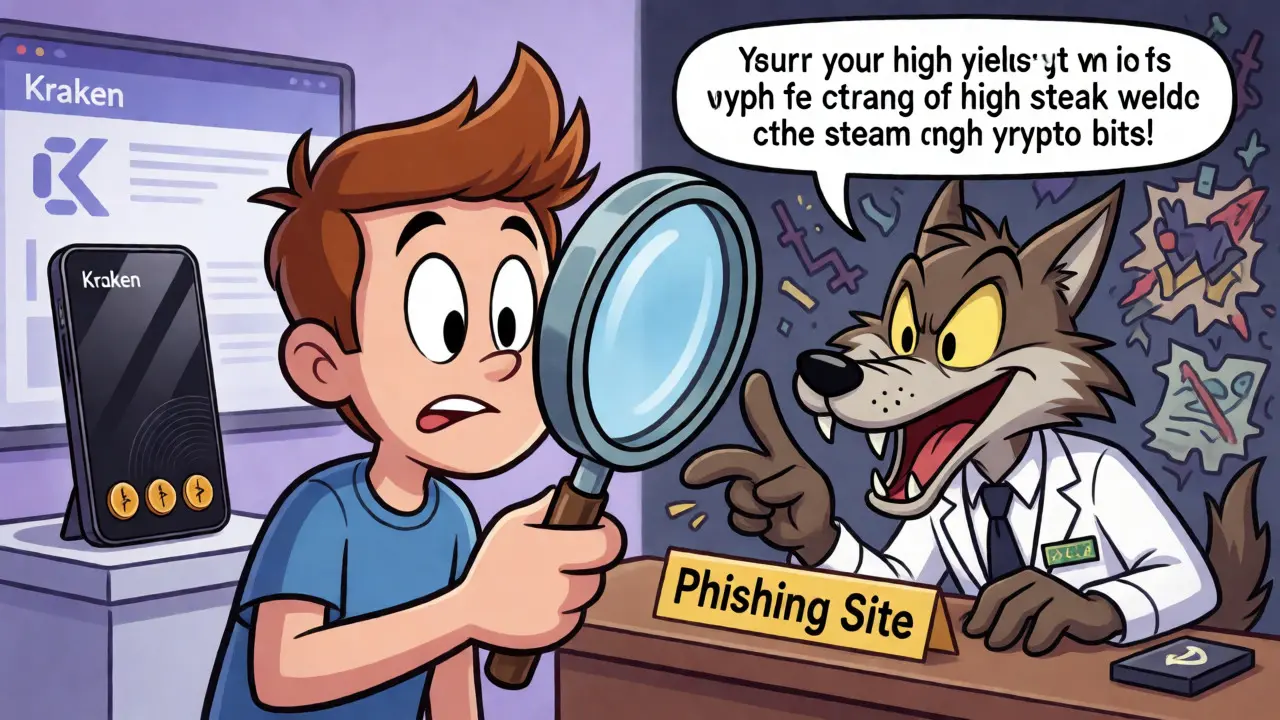
Since the official feature died in 2017, a cottage industry of fake exchanges has emerged. Cybersecurity firm Kaspersky reported in January 2026 that there were over 1,200 phishing sites impersonating non-existent Steam cryptocurrency services in the fourth quarter of 2025 alone.
These sites typically promise:
- High-yield savings accounts for your Bitcoin backed by Steam.
- Exclusive "Steam Coin" tokens that don't exist.
- Instant withdrawal of Steam Wallet funds to crypto wallets.
All three claims are false. Steam Wallet funds are locked to the platform. According to Section 4.3 of Valve’s Terms of Service, updated in November 2025, "Steam Wallet funds may only be used to purchase content on Steam and cannot be redeemed for cryptocurrency or transferred to external wallets." You cannot take money out. You can only put it in.
If you encounter a site asking you to connect your Steam account to "sync your crypto portfolio," close the tab. It is likely trying to steal your session token or trick you into authorizing a malicious app.
How to Actually Use Crypto for Steam Games
Just because Steam doesn't run an exchange doesn't mean you can't use Bitcoin to buy games. You just need to go through a middleman. This is where third-party services come in.
The most reliable method involves purchasing Steam gift cards using cryptocurrency. Services like Bitrefill allow users to buy Steam gift cards with Bitcoin, Ethereum, Litecoin, and other major cryptocurrencies. Bitrefill processes approximately $2.7 million monthly in transactions related to gaming vouchers, according to their Q4 2025 transparency report.
Here is the step-by-step process:
- Create an account on a reputable crypto-to-gift-card service like Bitrefill or Coinsbee.
- Select "Steam Wallet" as the product you want to buy.
- Choose the denomination (e.g., $20, $50).
- Pay using your preferred cryptocurrency wallet.
- Receive a code via email or SMS.
- Redeem the code on the Steam client to add funds to your Steam Wallet.
This method works because the service provider acts as the merchant. They accept your crypto, buy a gift card with fiat currency, and give you the code. Steam sees a standard gift card redemption. No direct integration is needed.
Comparison: Real Exchanges vs. Steam Payment Methods
To help you distinguish between actual trading platforms and Steam's historical payment options, here is a breakdown of key differences.
| Feature | Steam (Historical/Hypothetical) | Real Crypto Exchange (e.g., Coinbase) |
|---|---|---|
| Primary Function | Digital Game Distribution | Trading and Custody of Digital Assets |
| Crypto Storage | No (Converted to Fiat Instantly) | Yes (Cold and Hot Wallets) |
| Withdrawal Capability | No (Funds Locked to Platform) | Yes (Send to External Wallets) |
| Trading Pairs | None | Hundreds (BTC/USD, ETH/BTC, etc.) |
| Regulatory Status | Retail Merchant | Financial Institution / Money Transmitter |
This table highlights why calling Steam a "crypto exchange" is factually incorrect. An exchange implies liquidity and movement of assets. Steam offers neither for cryptocurrencies.
Current Outlook: Will Steam Ever Bring Back Crypto?
As of September 2026, there are no signs that Valve plans to reintroduce native cryptocurrency payments. Industry analysts at Bernstein maintain a "Hold" rating on potential Steam crypto integration, citing regulatory uncertainty and payment stability issues. Their January 2026 report projects less than a 5% probability of Steam accepting crypto directly before 2030.
Valve’s focus remains on traditional payment methods. Their current documentation lists 36 payment options across 127 countries, including credit cards, PayPal, and local banking transfers. Cryptocurrency is explicitly excluded from this list.
Furthermore, the broader gaming industry has moved away from blockchain hype. While some newer platforms integrate NFTs or play-to-earn mechanics, Steam has remained conservative. Valve removed blockchain-based games from the store in 2021 due to concerns about speculation and fraud. This stance suggests that Valve prefers stability over experimental financial instruments.
What Should You Do Instead?
If you are interested in cryptocurrency, treat Steam as a spending destination, not a trading venue. Keep your crypto on a dedicated exchange like Kraken, which offers robust security audits and cold storage solutions. When you want to buy a game, convert your crypto to fiat or buy a gift card.
Be wary of any platform claiming to offer "Steam staking" or "Steam yield farming." These terms do not apply to Valve’s ecosystem. Always verify URLs carefully. Scammers often use slight misspellings, such as "steamm-crypto.com" or "steam-exchange.io," to lure victims.
In short, enjoy your games, but keep your finances separate. Your Bitcoin belongs on an exchange or in a hardware wallet, not in a gaming library.
Does Steam currently accept Bitcoin payments?
No, Steam stopped accepting Bitcoin directly in July 2017. Currently, you cannot pay for games on Steam using Bitcoin or other cryptocurrencies directly within the checkout process.
Can I withdraw my Steam Wallet balance to a crypto wallet?
No. Steam Wallet funds are strictly non-transferable outside the platform. You cannot redeem them for cash or cryptocurrency, nor can you send them to another user's wallet.
Is there a legitimate "Steam Crypto Exchange" website?
No. Any website claiming to be the official Steam crypto exchange is likely a scam or a third-party service unrelated to Valve. Valve does not operate a cryptocurrency trading platform.
How can I use cryptocurrency to buy Steam games?
You can use third-party services like Bitrefill to purchase Steam gift cards with cryptocurrency. Once you receive the gift card code, you redeem it on Steam to add funds to your account.
Why did Valve remove Bitcoin support from Steam?
Valve cited high transaction fees and price volatility as the main reasons. During peak times, Bitcoin network fees became too expensive relative to the cost of games, making the payment method impractical for both users and merchants.
Hey everyone, just wanted to jump in and say this is such a necessary clarification! 🌟 I see so many people getting tripped up by these fake "Steam Crypto" sites lately. It’s awesome that you broke down the history with BitPay so clearly. For anyone from Nigeria or other regions where crypto adoption is huge but local payment options for Steam are limited, using gift card services like Bitrefill is honestly a lifesaver. We’ve been doing it for years because direct bank transfers can be a nightmare sometimes. Keep spreading the word so we don’t lose more gamers to phishing scams! 💪
I appreciate the balanced take here :) It’s easy to get cynical about crypto stuff, but Valve really did try it back in the day, even if it didn't work out :/ The point about transaction fees spiking to 40-50% is wild when you think about it now, especially with how cheap Lightning Network transactions are today. Maybe they’ll revisit it once tech matures further? Anyway, good info on avoiding those sketchy websites!
This is an excellent breakdown of the technical and historical context. As someone who has followed cryptocurrency integration into mainstream retail since the early days, I find the distinction between 'merchant acceptance' and 'exchange functionality' crucial. Many users conflate the two, leading to significant financial loss.
It is worth noting that while BitPay handled the conversion, the volatility risk was still partially borne by the merchant during the settlement period, which contributed to Valve's decision. Furthermore, the regulatory landscape has shifted dramatically since 2017. With MiCA in Europe and evolving SEC guidelines in the US, any future integration would require far more robust compliance infrastructure than what existed then. I would also add that hardware wallets remain the gold standard for security, regardless of platform support.
The article fails to mention that Valve removed blockchain games entirely in 2021 due to fraud concerns, not just speculation. This suggests a deeper ideological resistance rather than mere technical inconvenience. Also, the claim about Kaspersky reporting 1,200 sites needs a direct link to the report for verification. Without primary sources, these stats feel anecdotal.
Thanks for posting this. I was actually looking into buying some Bitcoin recently and saw ads claiming Steam had its own exchange. Glad to know it’s a myth. I’ll stick to Kraken for trading and use gift cards for Steam purchases.
Thank you for sharing this comprehensive overview. It is wonderful to see such clear guidance provided to the community, as misinformation can often lead to unnecessary stress and financial setbacks for gamers.
I particularly appreciated the step-by-step guide on using third-party services like Bitrefill. For those of us who may not be deeply familiar with cryptocurrency mechanics, having a structured process reduces anxiety significantly. It is empowering to know that there are safe pathways to utilize digital assets without compromising account security. I hope this post reaches as many people as possible to prevent them from falling prey to those deceptive phishing sites mentioned.
Listen, stop letting Valve gaslight you! They killed Bitcoin support because they hate freedom, plain and simple. They want you locked in their walled garden forever. You can’t withdraw your wallet funds? That’s theft! They hold your money hostage while pretending to be a service provider. Wake up! The only reason they removed blockchain games is because they couldn’t control the market themselves. Don’t fall for their 'stability' propaganda. Buy your games with cash, keep your crypto off their servers, and never trust a corporation with your keys. Period.
actually steam accepted bitcoin via bitpay not directly stored so technically you were paying fiat converted instantly 😂📉 fees were insane though lol nobody remembers the $30 fee on a $60 game rip bozo energy from valve refusing to adapt 🤡🚫 crypto staking on steam is literally oxymoron level stupidity 🧠💀
Great read! 👍 Just a quick tip for anyone trying to buy Steam cards with crypto: always check the exchange rate margin first. Some services hide a 5-10% markup in the conversion rate, which eats into your savings. Bitrefill is usually pretty transparent, but Coinsbee can vary depending on the coin. Also, remember that once you redeem that code, it's gone forever. No refunds. So double-check your denomination before hitting pay! 🎮💸 Stay safe out there!
You think this is random? It is coordinated. Valve works with the banks to kill crypto payments because they fear decentralization. The 'fees' excuse is a smokescreen. If they wanted to, they could have implemented SegWit or Lightning. They chose fiat stability over user sovereignty. And now these fake exchanges pop up everywhere? Who benefits? The scammers? Or the regulators who want to scare people away from crypto entirely? It is all connected. Do not trust the official narrative. They removed blockchain games to protect their monopoly on microtransactions. Everything is a trap.
Haha yeah, I fell for one of those 'Steam Coin' scams back in 2019. Thought I’d found a loophole to cash out my excess Steam Wallet balance. Ended up losing about $50 trying to 'withdraw' to PayPal. Lesson learned: Steam Wallet is a closed loop. Like, seriously, treat it like casino chips. You put money in, you play, you leave. You don’t take the chips home and spend them at the grocery store. Good post reminding everyone of this basic rule!
This helped me so much. I was worried I missed out on something big with crypto and gaming. Feeling relieved now.
Fun fact: The reason Steam banned blockchain games wasn't just fraud; it was also because most of them were low-effort NFT wrappers with no gameplay value. 🙄 Valve actually cares about quality (mostly). Also, if you're using Bitrefill, look for promo codes! They drop them often. Saves you a few bucks. 🕵️♀️💰
Wow... just wow!!! 😱😱😱 I cannot believe people still fall for this!!! It is SO obvious that Steam does not do crypto!!! Why do people not read the Terms of Service?!?! It is right there in Section 4.3!!! I feel so sad for everyone who lost money to those phishing sites!!! 😢😢😢 It makes me so angry that scammers target gamers who just want to enjoy their hobbies!!! Please, PLEASE read the fine print!!! Don't let them steal your hard-earned money!!! 🛑🛑🛑
Dude, I tried to buy a game last week and accidentally clicked a link that looked legit but asked for my Steam login immediately. My heart dropped. 😩 I almost gave it to them. Thanks for this reminder. It’s scary how convincing those sites look nowadays. I’m sticking to my usual credit card method. Too risky otherwise. 😅
In India, we use Paytm and UPI mostly. But for Steam, many friends use Bitrefill too. It is easy. You send Bitcoin, you get code. Very simple steps. No need to worry about exchange rates too much if you wait for stable time. Good advice for new players.
Really helpful post, mate. Cheers for breaking it down so clearly. I've seen a few mates get caught out by those dodgy 'instant withdrawal' sites. A bit gutted for them, honestly. It’s nice to see a straightforward explanation without all the jargon. Definitely saving this for next time someone asks me about it. Nice one!
THIS IS AN OUTRAGE Valve holds our money hostage and pretends it's a feature The audacity of these corporations They lock our funds in a digital prison and call it convenience Meanwhile they profit from every single purchase and we cant even move our balance to another platform It feels like slavery in the digital age Honestly im shaking with anger thinking about all the times I wished I could transfer my wallet funds to a friend instead of buying a game I dont want Its insulting They should be ashamed