Remember the chaos of late 2021? The Coinary Token (CYT) was everywhere, and for good reason. If you were hunting for free crypto during the BSC GameFi Expo III, you likely stumbled upon the Dragonary airdrop. It wasn't just another giveaway; it was a strategic move by Coinary to onboard users into their multiverse ecosystem while riding the massive wave of blockchain gaming growth.
This article breaks down exactly what happened with that specific CYT distribution, how the tokenomics actually worked under the hood, and why this event mattered in the broader context of Binance Smart Chain's rise. We're not just listing dates; we're looking at the mechanics, the user experience, and the long-term impact on the project's trajectory.
What Was the BSC GameFi Expo III?
To understand the Dragonary airdrop, you first need to grasp the stage it played on. The BSC GameFi Expo III ran from October 23 to October 30, 2021. This wasn't a solo act. Binance Smart Chain partnered with CoinMarketCap to host a seven-day festival featuring three major projects: Dragonary, Mobox, and DSG Metaverse.
The goal was simple but ambitious: drive user acquisition. At the time, BSC had over 100 million unique addresses and 2.5 million daily active users. By splitting roughly $60,000 worth of tokens across these three games, the expo aimed to capture attention in a crowded market. Dragonary specifically offered up to 500,000 CYT tokens per user. For many, this was their first interaction with a GameFi project, marking a shift from speculative trading to actual gameplay utility.
| Metric | Details |
|---|---|
| Dates | October 23-30, 2021 |
| Total Value Distributed | ~$60,000 USD |
| Participating Projects | Dragonary, Mobox, DSG Metaverse |
| Max CYT Reward | 500,000 tokens |
| Host Platforms | Binance Smart Chain, CoinMarketCap |
Inside the CYT Tokenomics
Why did people care about getting CYT? Because the token structure promised more than just hype. Built on the BEP-20 standard, CYT featured a deflationary model designed to stabilize value over ten years. Unlike many memecoins that flood the market, Dragonary implemented a burn mechanism where up to 80% of in-game purchases, breeding commissions, and item fusion fees were permanently destroyed.
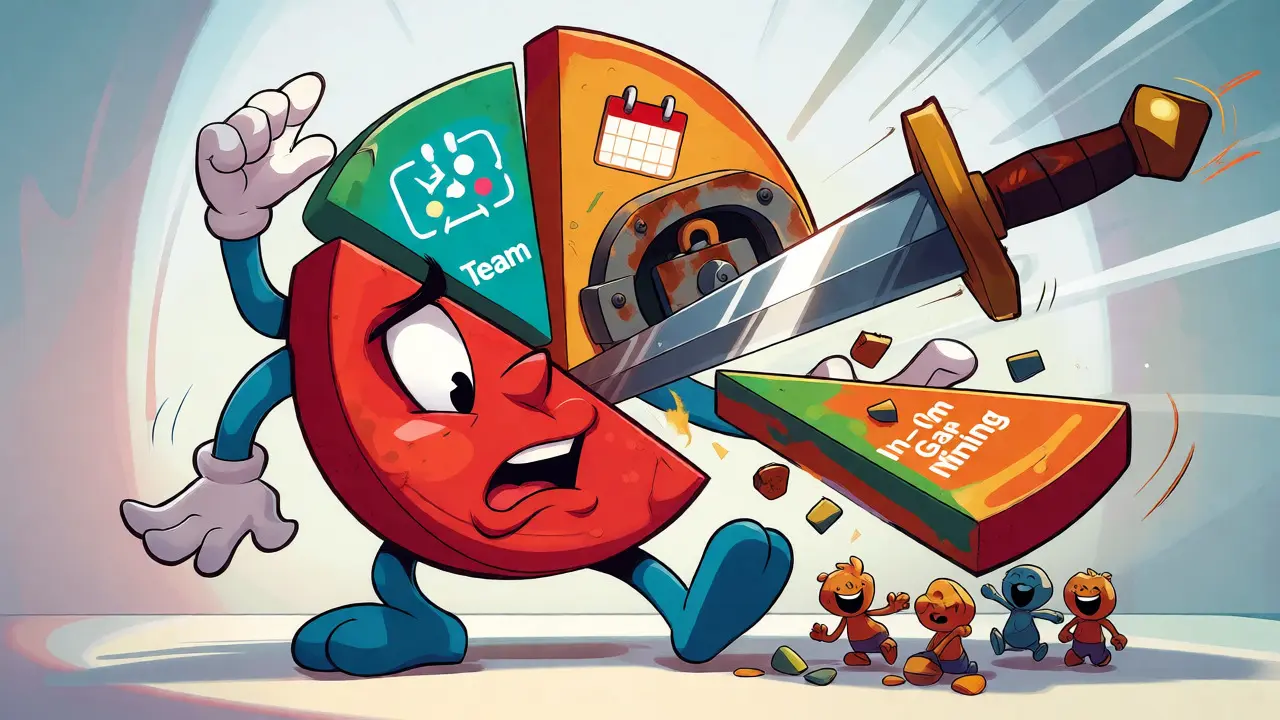
The remaining 20% went back to players. This created a circular economy within the game. But let's look at the supply side. The total cap was set at 1 billion tokens. Here is how that pie was sliced:
- In-Game Mining (74.9%): 749 million tokens reserved for players earning through gameplay.
- Investors (16%): 160 million tokens allocated to early backers.
- Team (5%): 50 million tokens locked for 10 years, unlocking daily. This was a huge signal of commitment compared to the industry norm of 2-4 year locks.
- Airdrops & Community (4.1%): 41 million tokens dedicated to events like the BSC Expo.
This vesting schedule for the team was critical. It meant insiders couldn't dump their holdings immediately after launch. For investors and gamers alike, this reduced the risk of sudden price crashes caused by team sell-offs, a common plague in the GameFi sector.
How Users Claimed Their Tokens
Getting your hands on those CYT tokens wasn't as simple as clicking one button. The process required a mix of technical setup and social engagement. You needed a MetaMask wallet configured for the Binance Smart Chain network. While the expo claimed "free transactions," having $1-2 in BNB for gas fees was a smart precaution against network congestion.
The workflow generally looked like this:
- Visit the official CoinMarketCap airdrop page.
- Connect your BSC-compatible wallet.
- Watch the Dragonary showcase livestream (often hosted by BSC representatives).
- Complete a quiz to prove you paid attention.
- Follow Coinary’s Twitter account, like, retweet, and tag friends.
- Claim the tokens via the smart contract interface.
User experiences varied wildly. Some completed the entire process in 15 minutes. Others faced "transaction failed" errors repeatedly. An unofficial poll suggested 37% of participants struggled with wallet connections. These friction points highlighted a growing pain in DeFi: the gap between promising rewards and smooth user interfaces. Despite the glitches, successful claimers reported receiving up to 250k CYT for minimal effort, which felt like free money in a bull market.
Market Reaction and Price Volatility
Did the airdrop help CYT's price? Short term, yes. Long term, it complicated things. Following the conclusion of the expo, CYT saw a significant spike, peaking around $0.0021 in early November 2021. However, the classic "airdrop dump" phenomenon kicked in quickly. Data from CoinGecko showed a 32% price drop within 48 hours of the event ending.
Why the crash? Many recipients didn't care about playing Dragonary; they cared about flipping the tokens for profit. Crypto economist Alex Thorn pointed out that this misalignment harms long-term players. When early adopters sell immediately, volatility spikes, making it harder for genuine gamers to predict costs or earnings. This pattern wasn't unique to Dragonary; it plagued almost every GameFi airdrop of 2021, including larger ones like Gala Games.
Comparatively, Dragonary’s $20,000 distribution was modest. Axie Infinity had run a $100,000 scholarship program earlier that year, and Gala Games dropped $1 million. Yet, Dragonary’s integration into an educational expo format provided something valuable: context. Livestreams explained the game mechanics, helping users understand what they were holding rather than treating it as a lottery ticket.
Dragonary’s Hybrid Gaming Model
One thing that set Dragonary apart was its accessibility. It launched as a free-to-play RPG available on mobile and desktop. Crucially, it allowed non-crypto users to play without ever touching a blockchain. You could battle dragons, breed them, and climb leaderboards without knowing what a private key was. Crypto-native users, however, could integrate their wallets to earn CYT and trade assets.
This hybrid approach appealed to the 68% of BSC’s GameFi user base who identified as casual gamers. Analysts at Delphi Digital noted that this flexibility potentially made Dragonary more sustainable than "all-in" models that forced complex blockchain interactions on everyone. By lowering the barrier to entry, Coinary aimed to build a player base first, hoping the token utility would follow naturally.
Long-Term Outlook and Current Status
Fast forward to today. The initial hype has faded, and reality has set in. As of recent data, CYT trades significantly below its post-airdrop peak, hovering around $0.0009 with low daily trading volumes. The project ranks lower in market capitalization compared to its 2021 competitors. Roadmap delays also became apparent; only 45% of planned multiverse integrations were completed by Q3 2022, slower than anticipated.
However, the project isn't dead. Coinary continues to engage the community with smaller airdrops, such as a 5 million CYT distribution during their 2023 anniversary. The 10-year team vesting period remains intact, suggesting the developers are still committed. Industry analysts remain cautious, predicting only a quarter of 2021 GameFi projects will survive long-term due to unsustainable economics. Dragonary’s survival depends on whether it can convert casual players into loyal fans who see value in the CYT token beyond speculation.
Frequently Asked Questions
Was the Dragonary airdrop legitimate?
Yes, the Dragonary airdrop was a legitimate event organized by Coinary in partnership with Binance Smart Chain and CoinMarketCap during the BSC GameFi Expo III in October 2021. It distributed real BEP-20 CYT tokens to verified participants.
How much CYT could I get from the airdrop?
Participants could earn up to 500,000 CYT tokens depending on their engagement level, including watching livestreams, completing quizzes, and fulfilling social media requirements on Twitter.
Do I need a crypto wallet to play Dragonary?
No, Dragonary features a hybrid model. Casual players can enjoy the RPG gameplay without any blockchain knowledge or wallet connection. Crypto-native users can connect wallets to earn and trade CYT tokens.
Why did the CYT price drop after the airdrop?
Like many GameFi airdrops, a significant portion of recipients sold their tokens immediately for profit, creating selling pressure. This led to a 32% price decline within 48 hours of the event concluding.
Is Coinary still active?
Yes, Coinary continues to operate Dragonary and other projects in their multiverse. They have conducted subsequent community events and airdrops, though the pace of development has been slower than initially projected.