Imagine buying a slice of a famous painting without needing millions in cash or dealing with shady gallery owners. That’s the promise behind LiveArt, an AI-powered Real-World Asset finance (RWAfi) platform that tokenizes investment-grade art and collectibles for on-chain trading. But what exactly is the ART token, and why should you care?
The ART token isn’t just another meme coin hoping for a viral moment. It’s the native utility and governance token powering the LiveArt ecosystem. If you’ve heard buzz about “ArtFi” (Art Finance) or “RWA” (Real-World Assets), this project sits right at the intersection of those trends. It aims to turn historically illiquid assets-like blue-chip paintings, luxury watches, and vintage cars-into liquid, programmable financial instruments.
How LiveArt Turns Art into Crypto
Traditional art investing has always been exclusive. You need serious capital, insider connections, and often years of patience before you can sell your piece. LiveArt tries to break down these walls by using blockchain technology and artificial intelligence.
Here’s how it works:
- Tokenization: High-value artworks are legally structured and represented as digital tokens on the blockchain. This allows for fractional ownership, meaning you don’t have to buy the whole canvas to benefit from its appreciation.
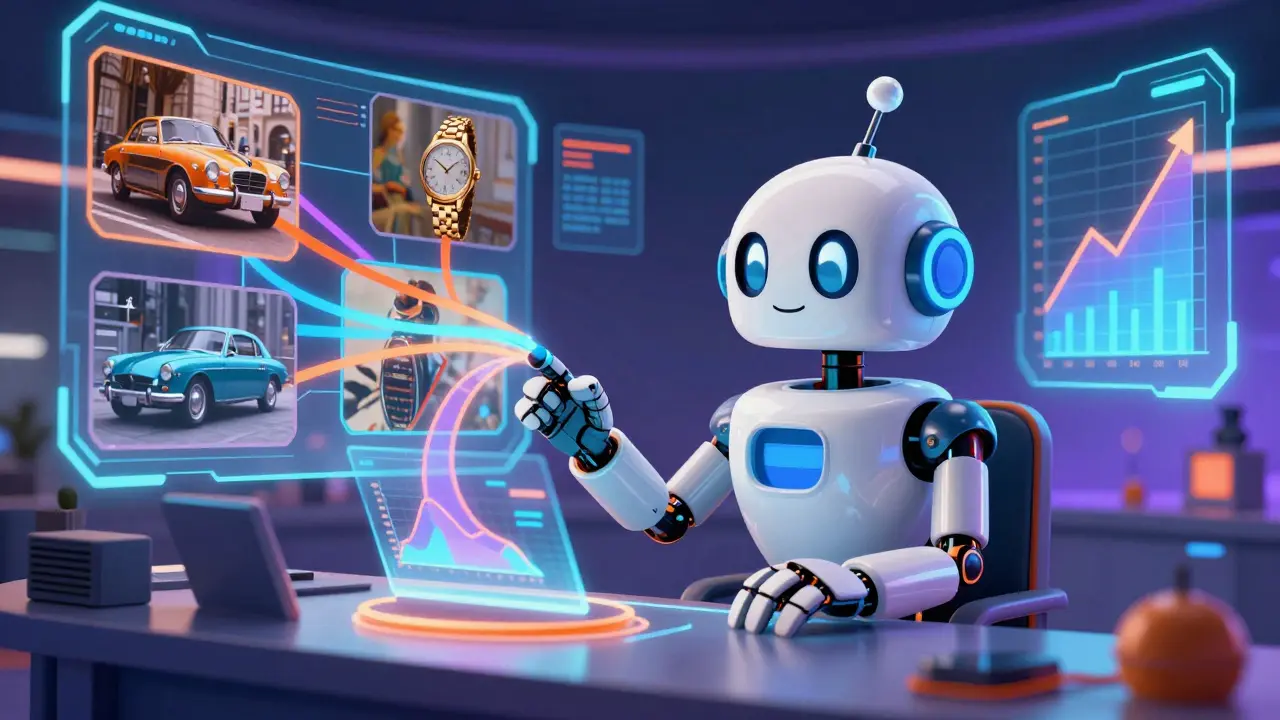
- AI Analytics: The platform uses a proprietary database of over 10 million historical art sales. Machine learning models analyze this data to provide price discovery, risk assessments, and alpha signals. This replaces guesswork with data-driven insights.
- DeFi Integration: Once tokenized, these assets can be traded on secondary markets, used as collateral in DeFi protocols, or staked for rewards-all powered by the ART token.
The goal? To unlock what LiveArt calls a $10 trillion market of fine art and collectibles, making them accessible to anyone with a crypto wallet.
What Does the ART Token Actually Do?
You might wonder: if the value comes from the art, what’s the point of holding the ART token itself? Think of ART as the key to the kingdom. Here’s where you’ll use it:
- Governance: Holders get a say in how the protocol evolves. You can vote on which new asset classes to tokenize, fee structures, and partnership decisions.
- Access & Fees: Trading fees on the LiveArt marketplace are paid in ART. Holding the token also grants access to exclusive primary issuances of new tokenized artworks.
- Staking Rewards: By locking up your ART tokens, you earn rewards. This incentivizes long-term commitment to the ecosystem rather than quick flips.
- Premium AI Services: Advanced analytics features, like deeper risk modeling or early access to high-demand drops, may require spending or staking ART.
In short, ART is both a utility tool and a governance instrument. Its value is tied directly to the activity and growth of the LiveArt platform.
Tokenomics: Supply and Distribution
Understanding the supply dynamics helps set realistic expectations. The ART token has a hard cap:
- Maximum Supply: 1,000,000,000 (1 billion) ART tokens.
- Circulating Supply: Varies by exchange snapshot, but reports range between ~360 million and ~407 million ART. This discrepancy is common in early-stage tokens due to different definitions of "circulating" (e.g., exchange-available vs. fully unlocked).
- Fully Diluted Valuation (FDV): Based on current prices, the FDV remains relatively low compared to major crypto projects, reflecting its early adoption phase.
This capped supply means inflationary pressure is limited. New tokens aren’t minted endlessly; they’re distributed through mechanisms like airdrops, vesting schedules for investors, and ecosystem incentives.
Backing and Credibility: Who’s Behind LiveArt?
In crypto, team backing matters. LiveArt isn’t a anonymous launch. It’s backed by some heavy hitters in the Web3 space:
| Entity | Type | Role/Significance |
|---|---|---|
| Binance Labs | Venture Capital | Early funding and strategic support from the world’s largest crypto exchange. |
| Animoca Brands | Investment Firm | Major player in blockchain gaming and digital assets, lending credibility to the ArtFi model. |
| HashKey Capital | Venture Capital | Provides institutional-grade investment and network access. |
| Samsung Ventures | CVC (Corporate VC) | Signals interest from traditional tech giants in blockchain innovation. |
| KuCoin & OKX | Exchanges | Listings and liquidity support, ensuring users can easily trade ART. |
This level of backing suggests LiveArt passed rigorous due diligence checks. However, remember: venture capital doesn’t guarantee success. It just means smart money sees potential.
Risks You Can’t Ignore
No crypto investment is risk-free, and LiveArt has specific challenges worth noting:
- Liquidity Mismatch: While ART tokens trade instantly, the underlying artwork doesn’t. Selling a $5 million painting takes time, auction fees, and legal work. If many users try to exit simultaneously, the real-world redemption process could bottleneck.
- Valuation Subjectivity: Art prices are notoriously subjective. Even with AI analyzing 10 million past sales, predicting future values for unique pieces is tricky. Market downturns can hit art harder than other assets.
- Regulatory Uncertainty: Fractional ownership of income-producing assets often falls under securities laws in the US, EU, and Asia. LiveArt must navigate KYC/AML rules and jurisdictional restrictions. Regulatory crackdowns could limit access or halt operations in certain regions.
- High Volatility: As a low-cap token, ART experiences wild swings. Daily moves of 10-60% aren’t uncommon. This makes it speculative, not stable.
- Platform Risk: With a small market cap (~$140k-$185k in recent snapshots), any hack, operational failure, or legal issue could disproportionately impact holders.
Do your own research. Don’t invest more than you can afford to lose.
How to Get Started with LiveArt
If you’re curious about getting involved, here’s the practical path:
- Set Up an Exchange Account: Create accounts on supported exchanges like KuCoin, Bybit, or Kraken. Complete identity verification (KYC Level 1) as required.
- Deposit Funds: Add fiat currency or major cryptocurrencies (like USDT or BTC) to your exchange wallet.
- Buy ART: Navigate to the ART trading pair (e.g., ART/USDT). Place a market order for instant execution or a limit order to wait for a specific price.
- Secure Your Tokens: For long-term holding, consider moving ART to a self-custody wallet. Hardware wallets (like Ledger or Trezor) offer the highest security. Browser or mobile wallets work for active traders.
- Engage with the Platform: Visit liveart.io to connect your wallet. Explore gamified quests, NFT mints, or fractional art offerings. Earn points toward potential airdrops or staking rewards.
Note: Participation in RWA offerings may require additional suitability assessments depending on your location and regulatory status.
LiveArt vs. Other ArtFi Projects
LiveArt isn’t alone in this space. How does it compare?
| Feature | LiveArt (ART) | Masterworks | Particle |
|---|---|---|---|
| Asset Focus | Blue-chip art, watches, cars, wine | Primarily fine art (paintings) | Digital and physical art |
| Technology | Blockchain + AI analytics | Traditional web platform (non-tokenized) | Blockchain-based |
| Liquidity | On-chain secondary markets | Private resale via platform | NFT marketplace trading |
| Accessibility | Global (subject to regulations) | US-only (SEC Reg A+) | Global |
| Native Token | Yes (ART) | No | Yes (PRT) |
LiveArt’s edge lies in its AI-driven valuation engine and multi-chain DeFi integration. Unlike Masterworks, which operates outside crypto, LiveArt offers true composability-you can potentially use your art-backed tokens in other DeFi protocols.
Is LiveArt (ART) a good investment?
That depends on your risk tolerance. ART is a high-volatility, early-stage token tied to a niche sector (ArtFi). While backed by strong investors and targeting a large market, it faces regulatory hurdles and liquidity risks. Only invest what you can afford to lose, and treat it as speculative rather than a stable income source.
Where can I buy LiveArt (ART) tokens?
ART is listed on several centralized exchanges including KuCoin, Bybit, Kraken, and Coinbase (price tracking). You’ll need to complete KYC verification on these platforms before purchasing. Always check current availability as listings can change.
How does LiveArt use AI?
LiveArt employs machine learning models trained on over 10 million historical art sales. This AI engine provides price discovery, risk assessment, and portfolio optimization tools for tokenized artworks, aiming to reduce subjectivity in art valuation.
What is the maximum supply of ART tokens?
The total maximum supply of ART is capped at 1,000,000,000 (1 billion) tokens. This fixed supply helps prevent infinite inflation, though circulating supply varies based on vesting schedules and distribution events.
Are there regulatory risks with LiveArt?
Yes. Fractionalized ownership of real-world assets often triggers securities laws in jurisdictions like the US and EU. LiveArt must comply with KYC/AML regulations, and access may be restricted in certain countries. Always verify local legality before participating.