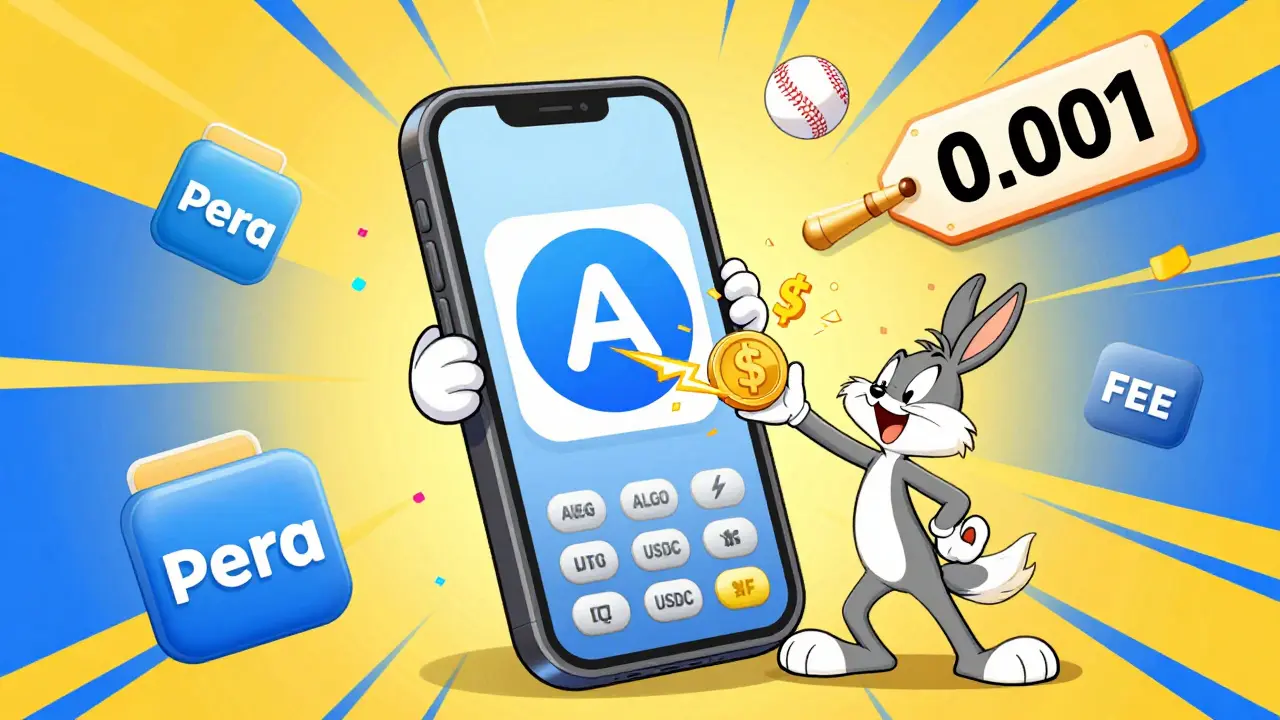
When you think of decentralized exchanges, you probably picture Uniswap on Ethereum or PancakeSwap on BSC. But what if you’re trading exclusively within the Algorand ecosystem? That’s where Pact is a decentralized exchange (DEX) built entirely on the Algorand blockchain, designed to be the go-to platform for liquidity and trading within Algorand’s native asset universe. Launched in 2021, Pact isn’t trying to compete with Ethereum’s giants. It’s built for one thing: making Algorand trading simple, fast, and cheap - especially on your phone.
What Makes Pact Different?
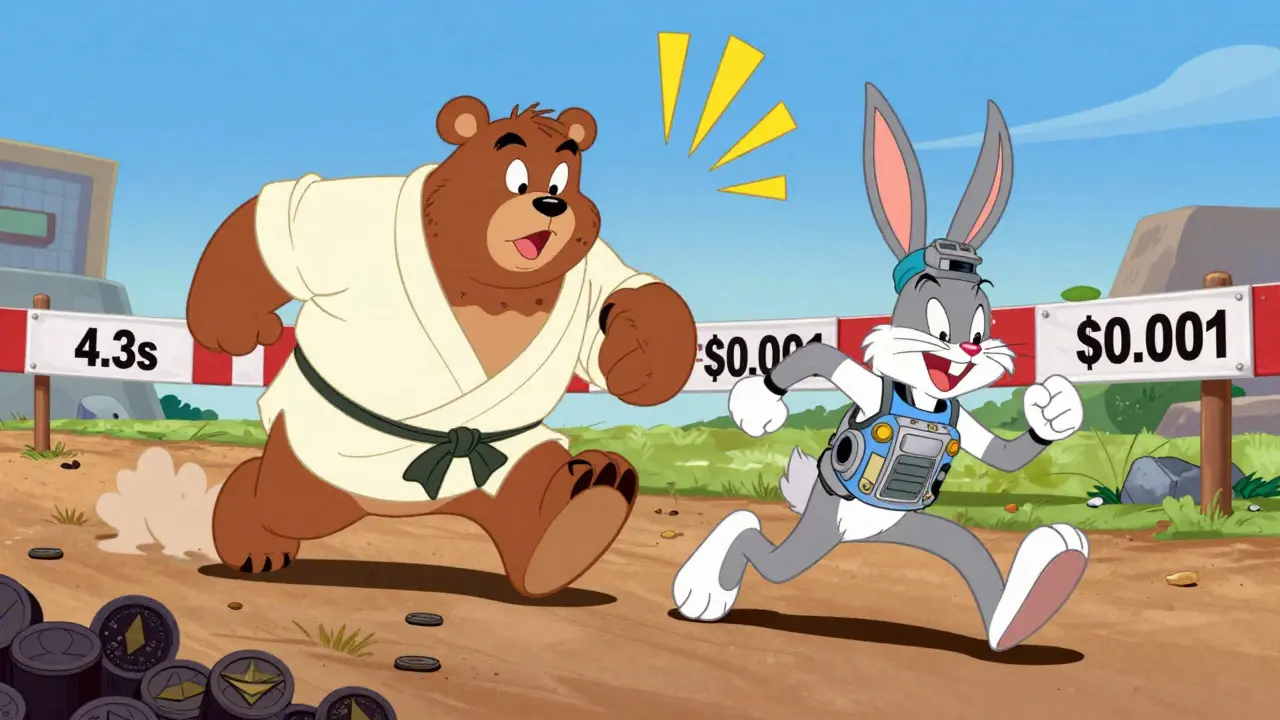
Pact doesn’t just run on Algorand - it was engineered to take full advantage of it. Algorand’s blockchain settles transactions in 4.3 seconds and handles up to 10,000 transactions per second. Pact uses that speed to deliver near-instant swaps with almost no slippage. Unlike other DEXs that feel clunky on mobile, Pact’s interface was designed from the ground up for touchscreens. If you’ve ever struggled to approve a transaction on a desktop DEX while on the go, Pact fixes that.
The platform supports any Algorand Standard Asset (ASA), which means you can trade ALGO, USDC, USDT, wrapped Bitcoin, or even obscure tokens created by small projects. All of it happens without intermediaries. Your funds stay in your wallet. Pact never holds your crypto. That’s the core of decentralization - and Pact nails it.
How Pact Works - No Guesswork
Using Pact is straightforward:
- Connect an Algorand wallet (Pera, My Algo, AlgoSigner, Defly, or Fireblocks).
- Choose a trading pair - say, ALGO/USDC.
- Enter the amount you want to swap.
- Confirm the transaction. Done.
Fees? Around $0.001 per trade. That’s not a typo. On Ethereum, you might pay $5-$15. On Pact, you’re paying less than a penny. The only asset you need to hold is ALGO - it covers the network fee. No other tokens required.
Pact also offers two smart trading features: Multiple Fee Tiers and StableSwap. The fee tiers adjust based on how volatile a trading pair is. High-risk pairs? Higher fees to protect liquidity providers. Stablecoin pairs? Lower fees because they’re less risky. StableSwap is optimized specifically for pairs like USDC/USDT. It reduces slippage to almost zero, making it ideal for traders who want predictable outcomes.
Liquidity and Market Position
Pact doesn’t have the trading volume of Tinyman, which still holds about 65% of the Algorand DEX market. But Pact is growing. As of October 2023, Pact held an estimated 15-20% share of Algorand DEX volume. The ecosystem’s total value locked (TVL) was $287 million, and Pact was a major contributor.
What’s driving that growth? The Aeneas Liquidity Program, launched in September 2023. It rewards liquidity providers with extra incentives - not just trading fees, but additional ALGO tokens. This isn’t a flash-in-the-pan airdrop. It’s a structured, ongoing program backed by top Algorand investors like Hivemind, Borderless Capital, and Meld Ventures.
Compare that to Uniswap, which saw over $1.2 billion in daily volume in October 2023. Pact’s volume is smaller, but that’s expected. It’s a niche platform. Its strength isn’t breadth - it’s depth within Algorand. If you’re trading ASAs, Pact is often the most efficient option.
Security and Trust
Security is where Pact stands out. Its smart contracts were audited by Kudelski Security, one of the most respected names in blockchain security. They don’t do light audits. They’ve checked Ethereum, Solana, and Cardano projects. Pact’s code passed with no critical issues.
It’s also part of Immunefi’s bug bounty program. That means white-hat hackers are actively looking for flaws - and getting paid if they find them. No public exploits have been reported. That’s rare. Many DEXs get hacked, then quietly fix it. Pact’s transparency is a big plus.
And here’s the kicker: Pact is non-custodial. You control your keys. Ulam Labs, the tech provider behind Pact, doesn’t have access to your funds. Even if their servers go down, your money stays safe on the Algorand blockchain.
Mobile-First Design - A Game Changer
This is Pact’s secret weapon. Most DEXs are desktop-first. They assume you’re at a computer. Pact assumes you’re on your phone. The interface is clean, large buttons, minimal text. You can swap tokens in under 20 seconds. No scrolling through confusing menus. No need to open a separate wallet app - Pact integrates directly with Pera and My Algo.
Users on Reddit’s r/algorand community regularly praise this. One trader wrote: “I did my first trade on Pact while waiting for my coffee. Took 18 seconds. I didn’t even think about it.” That’s the kind of experience most platforms miss.
What’s Missing?
Pact isn’t perfect. It doesn’t support cross-chain swaps. You can’t trade Bitcoin from Ethereum or Solana tokens. If you need that, you’ll need a bridge or a different platform. Pact is Algorand-only - for better or worse.
It also lacks educational content. If you’re new to DeFi, Pact’s documentation is clear but basic. It explains how to swap tokens, but doesn’t teach you about impermanent loss, liquidity mining, or risk management. You’ll need to learn those elsewhere. Reddit, YouTube, and Algorand’s official forums are your best bets.
Support is decent - Discord has over 8,400 members and email responses average 4-6 hours. But there’s no 24/7 live chat. If you’re in a hurry at 2 a.m., you’ll wait.
Who Is Pact For?
Pact is perfect for:
- Algorand users who trade ASAs daily
- Mobile traders who want speed and simplicity
- Liquidity providers looking for low fees and steady rewards
- Anyone tired of Ethereum gas fees
It’s not for you if:
- You trade across multiple blockchains
- You need advanced charting or limit orders
- You expect a giant community or tons of tutorials
Future Outlook
Pact is betting on Algorand’s future. The ecosystem’s TVL grew from $182 million to $287 million between January and October 2023. That’s a 57% increase in just nine months. Pact is positioned to capture more of that growth.
Upcoming updates include integration with Algorand’s Layer 2 solutions - which could bring transaction costs even closer to zero. If Algorand gains more enterprise adoption (which it’s starting to), Pact will be one of the first places traders go.
Right now, Pact is a quiet leader in a niche. But in DeFi, niches can become massive. Pact isn’t trying to be everything. It’s trying to be the best - for Algorand.
Is Pact a centralized exchange?
No. Pact is a decentralized exchange (DEX). It runs on the Algorand blockchain using smart contracts. No company, team, or individual can access or control your funds. You hold your own private keys. Pact doesn’t have a wallet, a login, or a KYC process. It’s fully non-custodial.
Can I trade Bitcoin or Ethereum on Pact?
Not directly. Pact only supports Algorand Standard Assets (ASAs). You can trade wrapped Bitcoin (wBTC) or wrapped Ethereum (wETH) if they’ve been bridged onto Algorand, but you can’t swap native BTC or ETH. You’ll need a cross-chain bridge for that - Pact doesn’t offer one.
What wallets work with Pact?
Pact works with all major Algorand wallets: Pera, My Algo, AlgoSigner, Defly, and Fireblocks. Pera is the most popular choice because it’s mobile-optimized and integrates seamlessly with Pact’s interface. Make sure you’re using the latest version of your wallet for full compatibility.
Are there any fees on Pact?
Yes, but they’re extremely low. The network fee is about $0.001 per transaction, paid in ALGO. Pact also charges a small swap fee (usually 0.2%-0.3%) that goes to liquidity providers. There are no hidden fees. No deposit or withdrawal fees. You pay exactly what’s shown before you confirm.
Is Pact safe to use?
Yes, with caveats. Pact’s smart contracts were audited by Kudelski Security and are covered by Immunefi’s bug bounty program. No major exploits have occurred. But like all DeFi platforms, you’re responsible for your own security. Never share your seed phrase. Use a strong password. Avoid phishing sites. Pact itself has no known vulnerabilities as of early 2026.
How does Pact compare to Tinyman?
Tinyman has higher trading volume and more liquidity, especially for popular pairs. But Pact’s interface is far more user-friendly, especially on mobile. Pact also offers better incentives for liquidity providers through its Aeneas Program. If you’re a casual trader or new to Algorand, Pact is easier. If you’re trading large amounts daily, Tinyman might have better rates. Many users use both.
Can I earn rewards on Pact?
Yes. Through the Aeneas Liquidity Program, liquidity providers earn extra ALGO rewards on top of trading fees. The rewards are distributed weekly and vary based on pool size and activity. You need to provide liquidity - you can’t just hold tokens. The program is active as of early 2026 and has paid out over $5 million in rewards since launch.
Final Thoughts
Pact isn’t flashy. It doesn’t have 100 token listings or a fancy NFT marketplace. But it does one thing better than almost anyone else: makes trading on Algorand feel effortless. If you’re already in the Algorand ecosystem, Pact is the most practical DEX you can use. Fast, cheap, secure, and built for real life - not just crypto forums.
It’s not the biggest. But sometimes, the best tool isn’t the loudest one.