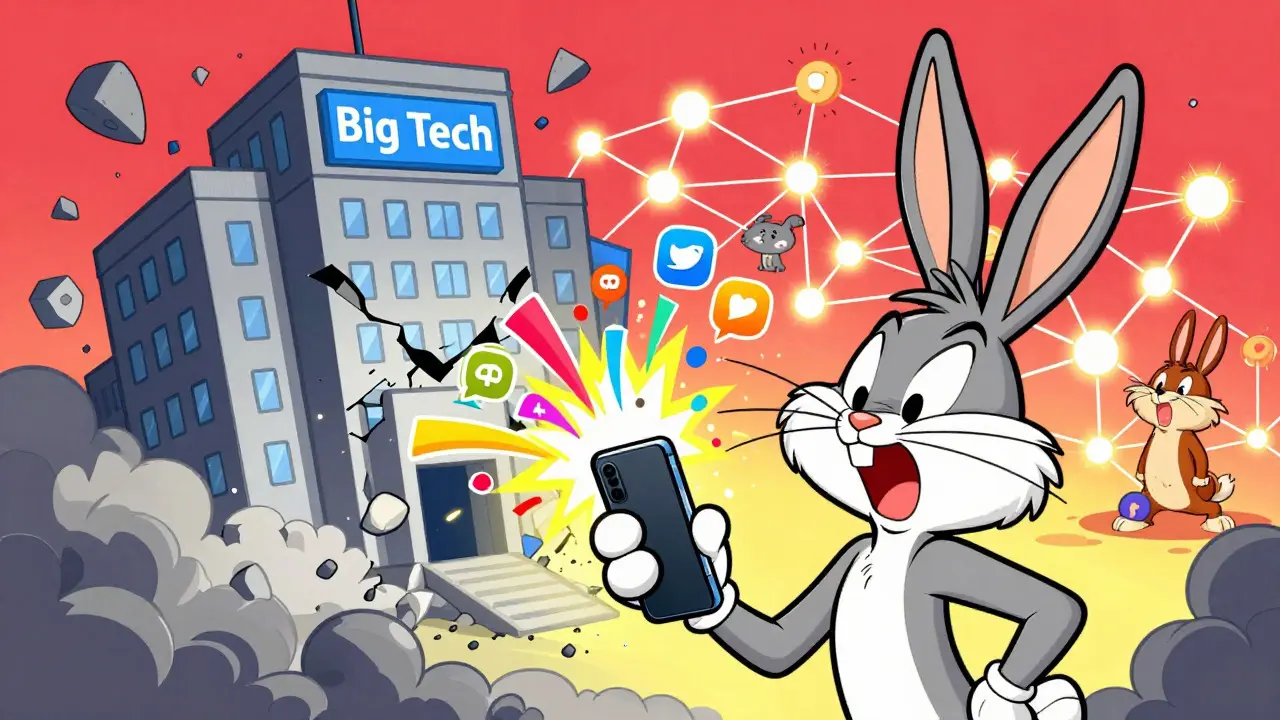
Remember when you had to trust a bank with your savings or a social media giant with your photos? That was the Web2 era. Now, we are living in the age of Web3, which is a decentralized internet infrastructure that allows users to own their data and digital assets without relying on centralized intermediaries. It sounds technical, but it’s really just about shifting power from big tech companies back to you. If you’ve heard terms like "blockchain" or "crypto" and felt lost, you’re not alone. But Web3 isn’t just about buying coins; it’s about how we interact with the internet itself.
What Exactly Are Web3 Applications?
At its core, a Web3 application (often called a dApp) runs on a blockchain instead of a central server. This means no single company controls it. Instead, code-specifically smart contracts that are self-executing agreements with the terms directly written into code-manages the rules. You don’t log in with a username and password. You connect a digital wallet, like MetaMask or Phantom, which acts as your identity and bank account combined.
The main difference? In Web2, if Twitter banned you, you lost your audience. In Web3, your followers and content belong to you, stored on the blockchain. If one platform shuts down, you can take your community elsewhere. This shift toward user ownership is the defining feature of this technology.
Key Categories of Web3 Applications
Web3 isn’t a monolith. It spans several industries, each solving different problems. Here are the most prominent categories driving adoption in 2026.
Decentralized Finance (DeFi)
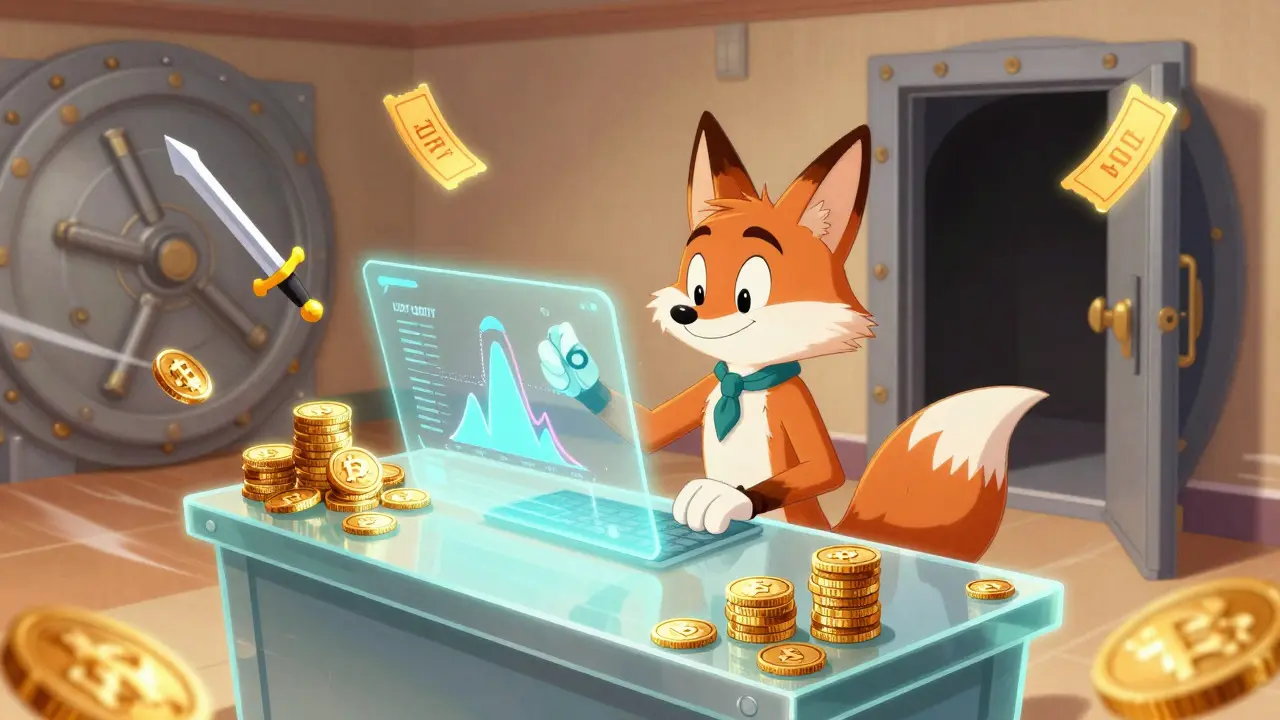
DeFi is arguably the most mature sector of Web3. It recreates traditional financial services-like lending, borrowing, and trading-without banks. Platforms like Aave and a leading decentralized lending protocol allowing users to lend crypto for interest or borrow against collateral and Compound allow anyone with an internet connection to access financial products. As of early 2025, these protocols held over $58 billion in total value locked. The appeal is clear: algorithmic interest rates adjust every 15 seconds based on supply and demand, often offering better returns than traditional savings accounts.
Non-Fungible Tokens (NFTs) and Digital Ownership
NFTs got a bad rap during the speculative boom of 2021-2022, but their utility remains strong. They are digital certificates of ownership for unique items. Marketplaces like OpenSea and Blur facilitate the trade of art, music, and even real-world assets like property deeds. Beyond art, NFTs are being used for event tickets that can’t be scalped and membership passes that grant exclusive access to communities.
Web3 Gaming and Metaverse
Gaming is where many everyday users first encounter Web3. Games like Axie Infinity introduced the "play-to-earn" model, where players earn tokens by playing. While early models were volatile, newer games focus on true asset ownership. You buy a sword in-game, and it’s yours. You can sell it to another player for real money. This creates a genuine economy within the game, though balancing fun with financial incentives remains a challenge.
Decentralized Social Media
Platforms like Lens Protocol and Farcaster are building social networks where you own your graph. Your friends list and posts aren’t trapped on one server. If you dislike a platform’s moderation policy, you can switch interfaces while keeping your social connections intact. This solves the "platform risk" inherent in Facebook or X (formerly Twitter).
Real-World Examples of Web3 in Action
To understand how this works in practice, let’s look at specific applications that are currently active.
| Application | Category | Primary Function | Key Benefit |
|---|---|---|---|
| Uniswap | DeFi | Token Exchange | No middleman fees; peer-to-peer trading |
| Brave Browser | Privacy/Web3 | Ad Blocking & Rewards | Earn BAT tokens for viewing privacy-respecting ads |
| Filecoin | Storage | Decentralized Cloud Storage | Data redundancy without a single point of failure |
| Axie Infinity | Gaming | Play-to-Earn RPG | Players own in-game assets as tradable NFTs |
Uniswap is the go-to example for DeFi. Instead of depositing money into Coinbase or Binance, you connect your wallet to Uniswap. Your trade happens directly between you and a liquidity pool provided by other users. It’s transparent, permissionless, and available 24/7.
Brave Browser demonstrates a subtle entry point. It blocks invasive trackers by default. Users who opt-in to see privacy-preserving ads earn Basic Attention Tokens (BAT). It’s a small amount, but it flips the script: you get paid for your attention instead of having it sold behind your back.
Filecoin tackles storage. Traditional cloud providers like AWS can censor or lose data. Filecoin distributes data across thousands of nodes worldwide. If one node fails, the data survives. This is crucial for preserving historical records and decentralized websites.
How to Start Using Web3 Apps Today
Getting started feels daunting because the user experience is still catching up to the technology. Here is a simplified roadmap to your first interaction.
- Install a Wallet: Download MetaMask (for Ethereum-based chains) or Phantom (for Solana). This is your gateway. Treat your seed phrase (the 12-24 words generated) like a master key to your house. Write it down on paper. Never share it digitally.
- Fund Your Wallet: Buy a small amount of cryptocurrency (ETH, SOL, etc.) on a centralized exchange like Coinbase or Kraken, then send it to your wallet address.
- Connect to a dApp: Visit a site like Uniswap.org. Click "Connect Wallet." Your wallet will pop up asking for permission. Review the request carefully.
- Understand Gas Fees: Every action costs a fee to pay network validators. On Ethereum, this can be high. Consider using Layer 2 solutions like Arbitrum or Optimism, where fees are pennies.
- Start Small: Perform a simple swap or mint a low-cost NFT. Familiarize yourself with the confirmation screens before committing significant funds.
Challenges and Risks to Watch Out For
Web3 is powerful, but it’s not perfect. Be aware of these friction points.
- Irreversible Transactions: There is no customer support to reverse a mistake. If you send funds to the wrong address, they are gone forever. Double-check everything.
- Scams and Phishing: Because there’s no central authority, scammers thrive. Fake websites and malicious smart contracts are common. Always verify URLs and check contract audits on sites like Etherscan.
- Complexity: Managing private keys and understanding slippage tolerance requires learning. The average user takes 8-12 weeks to feel comfortable, according to recent adoption studies.
- Regulatory Uncertainty: Laws vary by country. The EU’s MiCA framework has brought clarity to Europe, but global regulations are still evolving. Keep an eye on local laws regarding crypto taxes and compliance.
The Future of Decentralized Internet
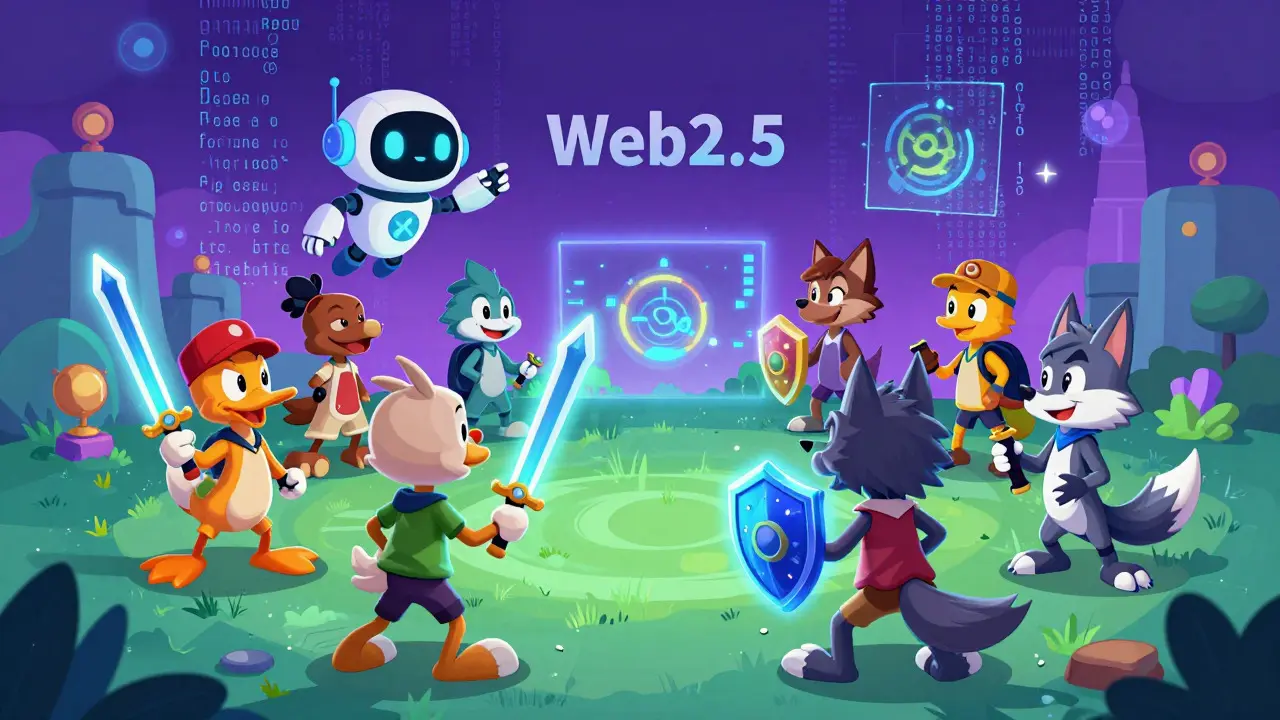
We are moving toward a "Web2.5" hybrid model. Major companies like Shopify and Reddit are integrating Web3 features-like token-gated communities and NFT checkouts-while keeping familiar user interfaces. This lowers the barrier to entry. With Ethereum’s recent upgrades reducing transaction times and costs, and AI integration improving personalization, Web3 is becoming more usable for non-technical people.
The goal isn’t to replace the entire internet overnight. It’s to offer choice. You can choose to keep your data private, own your digital creations, and participate in open economies. As infrastructure improves, these options will become seamless, making decentralization the default rather than the exception.
Is Web3 safe for beginners?
Web3 can be safe if you follow best practices, but it carries higher risks than Web2. There is no password reset button. Security depends entirely on you protecting your private keys and verifying website authenticity. Start with small amounts to learn the ropes.
Do I need to know coding to use Web3 apps?
No. Just like you don’t need to know HTML to browse the web, you don’t need to code to use a dApp. You only need to understand basic concepts like wallets, gas fees, and connecting to networks.
What is the difference between Web2 and Web3?
Web2 is read-write, controlled by central companies (e.g., Facebook, Google). Web3 is read-write-own, built on blockchains where users control their data and assets via cryptography and decentralized governance.
Are gas fees expensive?
On the main Ethereum network, yes, they can range from $1 to $50+ depending on congestion. However, using Layer 2 solutions like Polygon, Arbitrum, or Base reduces fees to fractions of a cent.
Can I make money with Web3 applications?
Yes, through various methods like staking crypto for yield, earning rewards in play-to-earn games, selling NFTs, or providing liquidity in DeFi pools. However, all these methods carry market volatility and smart contract risks.
hey everyone, just wanted to drop a quick tip for those new to this. the biggest hurdle isnt the tech itself but the mental shift required. you have to stop thinking like a consumer and start thinking like an owner. its actually pretty liberating once you get the hang of it. also dont sleep on layer 2s they make the gas fees almost negligible now
Oh please, another article trying to convince us that giving our private keys to some anonymous code is safer than a bank with FDIC insurance? It’s all a scam designed to strip-mine your data while you think you’re “owning” something. The whole concept of Web3 is just a sophisticated pyramid scheme wrapped in buzzwords. They want you to lose your savings so they can buy yachts.
You guys are missing the point entirely 🤡. This isn’t about safety, it’s about power. And let’s be honest, most of you aren’t smart enough to handle that power anyway. You need hand-holding from Silicon Valley because you can’t even manage a password without resetting it five times a week. Enjoy your centralized slavery 🙄💅
I find the argument about user ownership fascinating, yet I remain skeptical of the practical implementation. How exactly does one recover their assets if their hardware wallet fails? Is there truly no recourse? I demand clarity on this matter before I consider moving my life savings into what appears to be a digital casino.
its just hype man. total hype. i tried it once and lost money immediately. why bother?
The irony is palpable here. We seek freedom from centralized control, only to enslave ourselves to the volatility of speculative markets. Is true ownership worth the anxiety of watching your net worth fluctuate based on a tweet? Perhaps we are trading one master for another, merely replacing the bank manager with the algorithm. 🤔📉
They are watching you through your browser extensions. Every time you connect your wallet they log your IP address and track your spending habits. It is not freedom it is surveillance capitalism 2.0. Wake up people. The elites want you distracted by shiny NFTs while they seize your physical property. Stay offline stay safe :)
Moral hazard at its finest. No accountability means no responsibility. Garbage system.
Listen up peasants. If you cant afford the gas fees you probably dont deserve the freedom. Real wealth is knowing which rug pulls to avoid. Most of you are just liquidity for the whales. Do your own research or stay poor 🐋💸
you guys are too negative! look at the bright side. its exciting right? imagine owning your own social graph. thats huge potential. lets keep pushing forward and learning together. web3 is the future and we are part of it!
Can we please keep this discussion civil? There are valid points on both sides. Some people value security above all else, while others prioritize autonomy. Neither approach is inherently wrong, though the risks are certainly higher in Web3. Let's respect each other's perspectives rather than attacking them dramatically.
i guess it depends on how much risk you are willing to take. seems complicated though
What a cacophony of opinions! From paranoid whispers to elitist shouts, this thread is a microcosm of the internet itself. One must wonder if the promise of decentralization can survive the chaos of human nature. It is a beautiful, terrifying experiment unfolding before our very eyes.
for those who feel overwhelmed remember that everyone starts somewhere. its okay to make mistakes as long as you learn from them. the community can be harsh but there are plenty of helpful resources out there. take your time and dont rush into anything big
The semantic distinction between Web2 and Web3 is largely illusory when one considers the underlying economic incentives. Until the energy consumption and environmental impact are addressed, this remains a niche hobby for the technologically privileged few who can afford the luxury of experimentation.