Remember when swapping tokens meant waiting ten minutes and paying more in gas fees than the trade was worth? That era is fading, but finding a decentralized exchange that actually delivers speed without sacrificing security remains tricky. Enter SparkDEX, a premier decentralized finance (DeFi) suite built on the Flare Network blockchain. Launched in 2024, this platform has quickly become the heavyweight champion of its ecosystem, handling billions in volume and attracting serious liquidity.
If you are looking for high-leverage trading or seamless cross-chain swaps, SparkDEX might be exactly what you need. But before you connect your wallet, let’s break down whether this platform lives up to the hype, especially with its recent explosion in Total Value Locked (TVL) following the integration of Tether’s USDT0.
What Exactly Is SparkDEX?
At its core, SparkDEX is not just another token swap interface. It is an integrated DeFi ecosystem designed specifically for the Flare Network, a Layer 1 blockchain known for bringing real-world data on-chain. Think of it as a financial hub where you can swap assets, farm yields, and trade perpetuals-all within one dashboard.
The platform addresses three major pain points that have plagued DeFi users for years:
- Fragmented Liquidity: Instead of hunting for depth across multiple pools, SparkDEX aggregates liquidity to ensure better prices.
- Complex Interfaces: Many DEXs look like code editors. SparkDEX aims for a clean, user-friendly experience suitable for both retail traders and institutions.
- Cross-Chain Friction: Moving assets between networks usually requires risky bridges. SparkDEX leverages Flare’s interoperability features to simplify these transfers.
By late July 2025, SparkDEX had captured approximately 68% of the entire TVL on the Flare Network. That dominance didn’t happen by accident; it happened because they solved actual problems rather than just launching another meme coin pool.
Key Features That Set It Apart
So, what makes SparkDEX different from Uniswap or PancakeSwap? Let’s look at the specific tools in their arsenal.
SparkDEX Eternal: High-Leverage Perpetuals
This is arguably the platform’s biggest draw. SparkDEX Eternal is a high-leverage perpetuals trading platform offering up to 100x leverage. While most Ethereum-based DEXs cap out at 10-20x leverage due to complexity and risk, SparkDEX pushes the limit higher. You can trade cryptocurrencies, commodities, and even forex pairs.
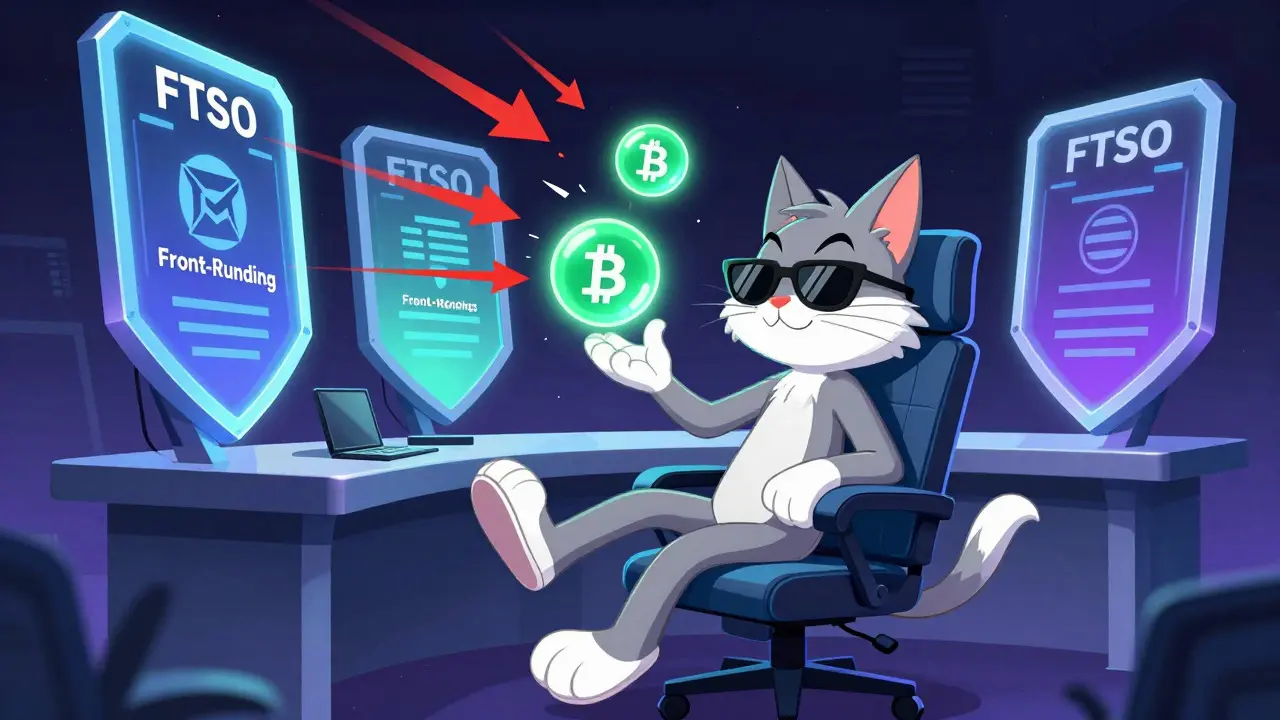
But here is the kicker: it uses Flare’s Time Series Oracle (FTSO). Why does that matter? Because FTSO protects you against front-running and false liquidations. In volatile markets, a bad price feed can wipe out your position instantly. SparkDEX’s implementation ensures that the price data driving your trades is robust and tamper-resistant.
AI-Driven Analytics and Conditional Orders
Trading manually is exhausting. SparkDEX integrates AI-driven analytics to help you make smarter decisions. More importantly, it offers automated conditional orders. You can set stop-losses, take-profits, and trailing stops directly on the platform. For day traders who hate staring at screens all day, this feature alone saves hours of stress.
Cross-Chain Swapping via Metavault
Liquidity isn’t just about having money in the pool; it’s about having the right money. SparkDEX aggregates liquidity through Metavault’s PerpDEX layer. This means when you swap, you are tapping into a broader network of assets, reducing slippage and improving execution quality.
Tokenomics: How $SPRK Works
Every successful DeFi protocol needs a utility token, and SparkDEX uses $SPRK. With a total supply of 100,000,000 tokens, the distribution model is heavily skewed toward community incentives, which is a refreshing change from team-heavy allocations seen elsewhere.
| Category | Allocation Percentage |
|---|---|
| Community Incentives | 52.25% |
| Foundation/Treasury | 15.50% |
| Team & Advisors | 12.5% |
| Seed-Flare | 5.25% |
| Airdrop | 5.5% |
| Marketing | 5% |
| Liquidity Provision | 4.5% |
The VE-token model allows users to lock their liquidity to earn rewards. By locking tokens through Team Finance, you enhance security and reduce rug-pull risks while earning a share of the platform’s revenue. With over half the supply dedicated to community incentives, early adopters stand to benefit significantly from long-term holding.
Performance and Growth Metrics
Numbers don’t lie, and SparkDEX’s metrics have been impressive since mid-2025. The catalyst was the integration of USDT0, a native stablecoin on Flare. Here is how that played out:
- TVL Surge: Following the USDT0 launch in April 2025, SparkDEX saw a 254% increase in TVL, reaching between $84 million and $109 million within weeks.
- Trading Volume: The platform processed $3-4 billion in trading volume shortly after the surge.
- Ecosystem Dominance: By early July 2025, Flare Network’s total TVL hit $224 million, with SparkDEX accounting for the vast majority of that growth.
To put this in perspective, Aave-the giant of DeFi lending-had a TVL exceeding $15 billion during the same period. SparkDEX is still smaller, but its growth rate of 650% in TVL since the stablecoin integration far outpaces many established competitors. Analysts from Lunar Digital Assets predict SparkDEX could capture 5-7% of the $42 billion cross-chain perpetuals market by Q1 2026 if this momentum continues.
Pros and Cons: The Honest Truth
No platform is perfect. Before you deposit funds, weigh these factors carefully.
| Pros | Cons |
|---|---|
| Up to 100x leverage on perpetuals | Limited to Flare Network ecosystem (ecosystem risk) |
| FTSO protection against front-running | Less deep liquidity for obscure altcoins compared to Uniswap |
| Clean, intuitive UI with AI tools | Customer support response times average 47 minutes |
| Strong community incentive structure (52.25%) | Mobile app was still in development as of July 2025 |
| Seamless cross-chain bridging (XRP, Ethereum) | US-based users are restricted due to regulatory concerns |
The biggest risk here is dependency. SparkDEX relies entirely on the success of the Flare Network. If Flare fails to gain broader adoption beyond its XRP-focused user base, SparkDEX’s growth could stall. Additionally, while the web interface is excellent, the lack of a fully featured mobile app might frustrate traders who prefer managing positions on the go.

User Experience and Community Feedback
How do real users feel about SparkDEX? The general sentiment is positive, particularly regarding the trading interface. On Reddit’s r/FlareNetwork, users praised the cleanliness of the SparkDEX Eternal dashboard. One trader noted that stop-loss orders actually executed correctly during volatility spikes-a common failure point on other platforms.
However, there are complaints. Cross-chain transactions can be slow during peak congestion. Users reported bridging assets from the XRP Ledger to Flare taking 15-20 minutes instead of the advertised five. Customer support ratings also lag behind, averaging 3.8 out of 5 stars, with some users experiencing delays in resolving technical issues.
Is SparkDEX Right for You?
SparkDEX excels in specific scenarios. If you are a high-leverage trader looking for advanced order types and robust oracle protection, this is one of the best options available today. If you are deeply invested in the XRP or Flare ecosystems, SparkDEX is practically essential for maximizing yield and accessing DeFi opportunities.
On the other hand, if you are a casual holder looking to swap small amounts of obscure tokens, you might find better liquidity on larger, multi-chain aggregators like Uniswap. Also, keep in mind that US residents are currently restricted from using the platform due to regulatory scrutiny surrounding high-leverage derivatives.
As we move further into 2026, watch for SparkDEX’s roadmap updates, including potential integrations with equities and indices. If they maintain their current trajectory, SparkDEX could very well become a dominant force in the broader DeFi landscape, challenging even the giants of Ethereum.
Is SparkDEX safe to use?
SparkDEX implements strong security measures, including the Flare Time Series Oracle (FTSO) to prevent front-running and false liquidations. It also uses a VE-token model with liquidity locking through Team Finance to reduce rug-pull risks. However, as with any DeFi platform, smart contract risks exist, so always start with small amounts and verify contract addresses.
Can US citizens use SparkDEX?
No. As of July 2025, SparkDEX explicitly restricts access for users based in the United States. This is primarily due to regulatory scrutiny surrounding high-leverage perpetual contracts offered through SparkDEX Eternal.
What is the maximum leverage on SparkDEX?
SparkDEX Eternal offers up to 100x leverage on various asset classes, including cryptocurrencies, commodities, and forex pairs. This is significantly higher than most Ethereum-based DEXs, which typically cap out at 10-20x.
Does SparkDEX have a mobile app?
As of mid-2025, SparkDEX did not have a fully released dedicated mobile application. The web interface is fully featured and responsive, but users should check the official GitHub repository or Discord for the latest updates on mobile development progress.
How does SparkDEX compare to Uniswap?
Uniswap is better for swapping obscure tokens due to its massive liquidity depth on Ethereum. SparkDEX excels in high-leverage perpetual trading and cross-chain functionality within the Flare/XRP ecosystem. SparkDEX also offers superior AI-driven tools and conditional orders compared to Uniswap’s basic interface.
What is USDT0 on SparkDEX?
USDT0 is a native stablecoin on the Flare Network, integrated by SparkDEX in April 2025. Its introduction catalyzed a massive surge in TVL and trading volume, providing a stable medium for trading and yield farming within the ecosystem without relying on external bridges.