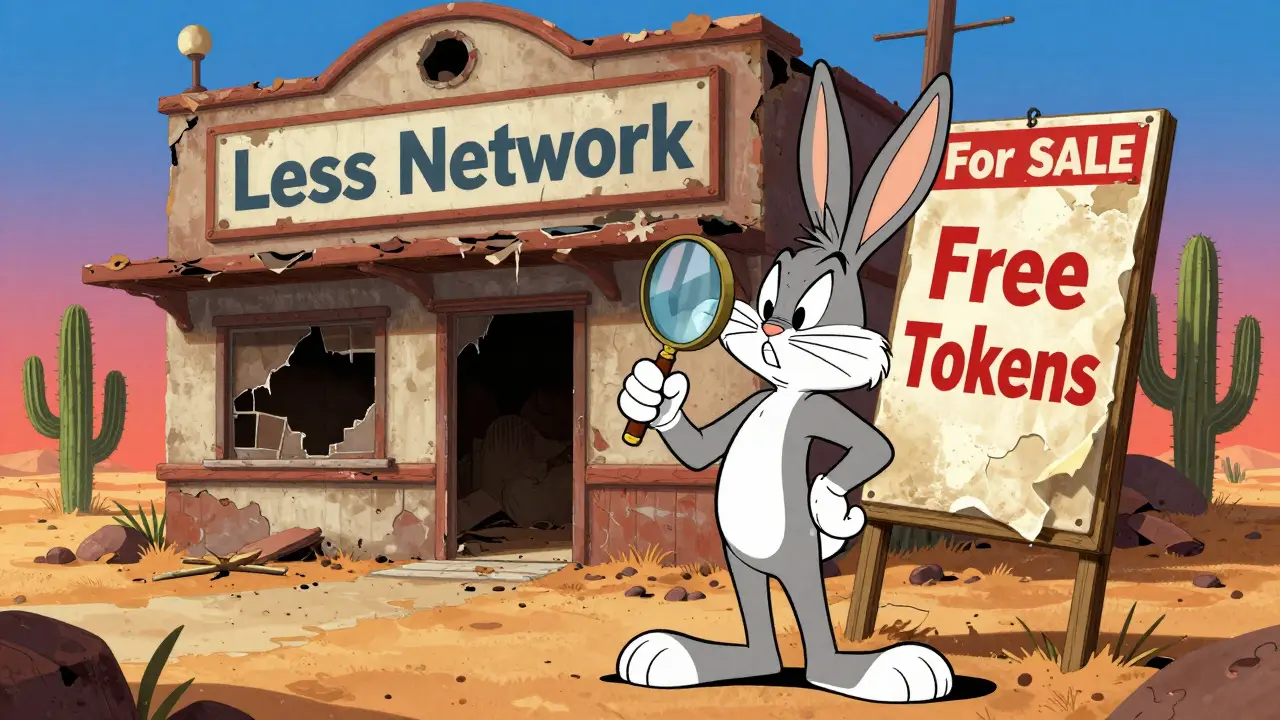
You’ve seen the chatter. Maybe a Discord message popped up, or a Twitter thread promised free tokens from Less Network. The allure is simple: put in a little effort now, get paid later. But here’s the hard truth about this specific project-there is currently no verified, official information regarding an active Less Network airdrop. In fact, finding concrete details on "Less Network" itself is difficult because it doesn’t appear in major blockchain databases or reputable crypto news outlets as of May 2026.
This lack of visibility isn’t just a minor inconvenience; it’s a massive red flag. In the world of crypto, silence often means one of two things: the project hasn’t launched yet, or worse, it’s a fabricated entity designed to steal your personal data or funds. Before you spend hours clicking links or connecting your wallet, you need to understand exactly what you’re dealing with. This guide breaks down how to verify if an airdrop is real, why "Less Network" might be a copycat, and how to protect yourself while hunting for legitimate rewards.
The Reality Check: Is Less Network Real?
Let’s cut through the noise. If you search for "Less Network" on standard cryptocurrency trackers like CoinMarketCap or CoinGecko, you won’t find a listed token. There is no whitepaper hosted on a verifiable domain, and there are no GitHub repositories showing active development code. For context, legitimate projects like Monad or Initia have transparent roadmaps, public testnets, and clear teams behind them. Less Network lacks these foundational elements.
This absence of data suggests that "Less Network" may be a generic name used by scammers to mimic legitimate-sounding brands. Scammers often choose names that sound technical but vague-like "Less," "More," "Fast," or "Chain"-to avoid trademark issues while sounding plausible. Without a confirmed smart contract address or an official announcement from a recognized entity, any claim of an airdrop is speculative at best and fraudulent at worst.
If you are reading this hoping for a step-by-step guide to claim LESS tokens, I’m sorry to say it doesn’t exist because the program likely doesn’t exist either. However, understanding *why* it’s missing is crucial for your future safety. Let’s look at how legitimate airdrops operate versus how scams trick users.
How Legitimate Crypto Airdrops Work
To spot a fake, you first need to know what the real thing looks like. Legitimate airdrops are marketing tools used by established projects to distribute tokens to early adopters. They follow a predictable pattern:
- Official Announcement: The project announces the airdrop on their verified Twitter (X) account, Discord server, and website. The handle usually has a blue checkmark or is linked from their official site.
- Clear Criteria: You’ll see specific tasks. Did you bridge assets on Arbitrum? Did you vote in a governance poll on Snapshot? Did you use a testnet? These actions are recorded on-chain.
- No Upfront Fees: You never pay money to receive an airdrop. You might pay gas fees for transactions, but you never send ETH or USDT to a "claim" address.
- Smart Contract Verification: The token contract is verified on block explorers like Etherscan or Solscan. Anyone can read the code to ensure it doesn’t drain wallets.
Compare this to the typical "Less Network" offer circulating online. Does it ask you to sign a random transaction without explaining what it does? Does it promise thousands of dollars for liking three posts? If so, you’re looking at a scam. Legitimate projects like Bless Network or CESS Network had clear timelines, registered partnerships, and transparent reward pools. They didn’t rely on secrecy or urgency.
Red Flags: Spotting the "Less Network" Trap
If you encounter a website or social media post claiming to host the Less Network airdrop, watch out for these specific warning signs. These tactics are designed to bypass your skepticism.
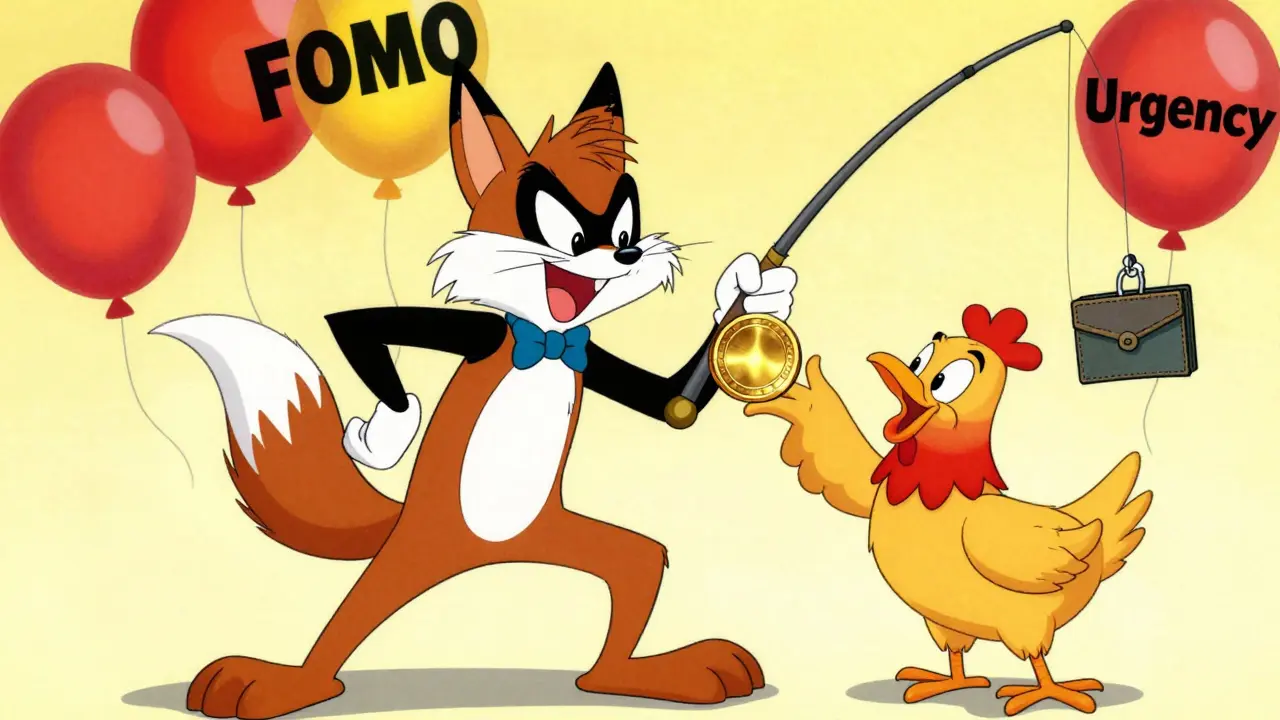
- Urgency and FOMO: Phrases like "Last 24 hours!" or "Limited spots remaining!" are classic pressure tactics. Real airdrops run for weeks or months to allow fair participation. Scammers want you to act before you think.
- Unverified Links: The link leads to a newly created domain (e.g., less-network-airdrop.xyz) rather than the project’s primary domain. Hover over the link to check the URL. If it looks messy or uses a cheap TLD (.top, .bid, .xyz), close the tab immediately.
- Wallet Connection Requests: The site asks you to connect your MetaMask or Phantom wallet to "check eligibility." Once connected, they may push a malicious transaction that approves unlimited spending of your tokens. This is called a "drainer" attack.
- Vague Tokenomics: They can’t explain what the LESS token does. Is it a governance token? A utility token for a DeFi protocol? If the answer is "it will be valuable soon," that’s a hallucination, not a plan.
- Social Proof Fabrication: Fake screenshots of people claiming huge amounts. These are easily generated using free image editors. Don’t trust screenshots; trust on-chain data.
In my experience living in Wellington, where tech literacy is high but crypto scams are global, I’ve seen friends lose entire portfolios by trusting these vague promises. The key is to assume every unsolicited offer is a lie until proven otherwise.
Safe Alternatives: Where to Find Real Airdrops in 2026
Don’t let a dead end stop you from earning. The crypto space is still full of legitimate opportunities, especially in Layer 2 scaling solutions and decentralized infrastructure. Instead of chasing ghosts like Less Network, focus on projects with track records.
| Feature | Legitimate Project (e.g., Monad, Initia) | Suspicious Project (e.g., "Less Network") |
|---|---|---|
| Website Domain | Established, HTTPS, professional design | Newly registered, misspellings, cheap TLDs |
| Social Media | Verified accounts, large engaged community | Bot-heavy followers, copied content, no verification |
| Requirements | On-chain activity, testnet usage, governance voting | Liking posts, joining Telegram, signing unknown contracts |
| Cost | Gas fees only | Asks for upfront payment or "verification fee" |
| Transparency | Public roadmap, doxxed team, audited code | Anonymous team, no code repository, vague promises |
For example, Monad has been building a high-performance EVM-compatible chain with significant venture backing. Their testnet activities are well-documented, and participating in them carries a genuine chance of future rewards. Similarly, Abstract focuses on consumer-friendly Web3 experiences, offering clear quests through platforms like Galxe. These projects invite you to use their technology, not just click buttons for free money.
If you want to stay ahead of the curve, follow reputable aggregators like Airdrop.io or DefiLlama. They curate lists based on actual contract deployments and community sentiment, filtering out the noise that plagues platforms like X (Twitter).
Protecting Your Wallet: Best Practices
Even if you decide to explore new projects, your security must come first. Here’s how to keep your assets safe while hunting for airdrops:
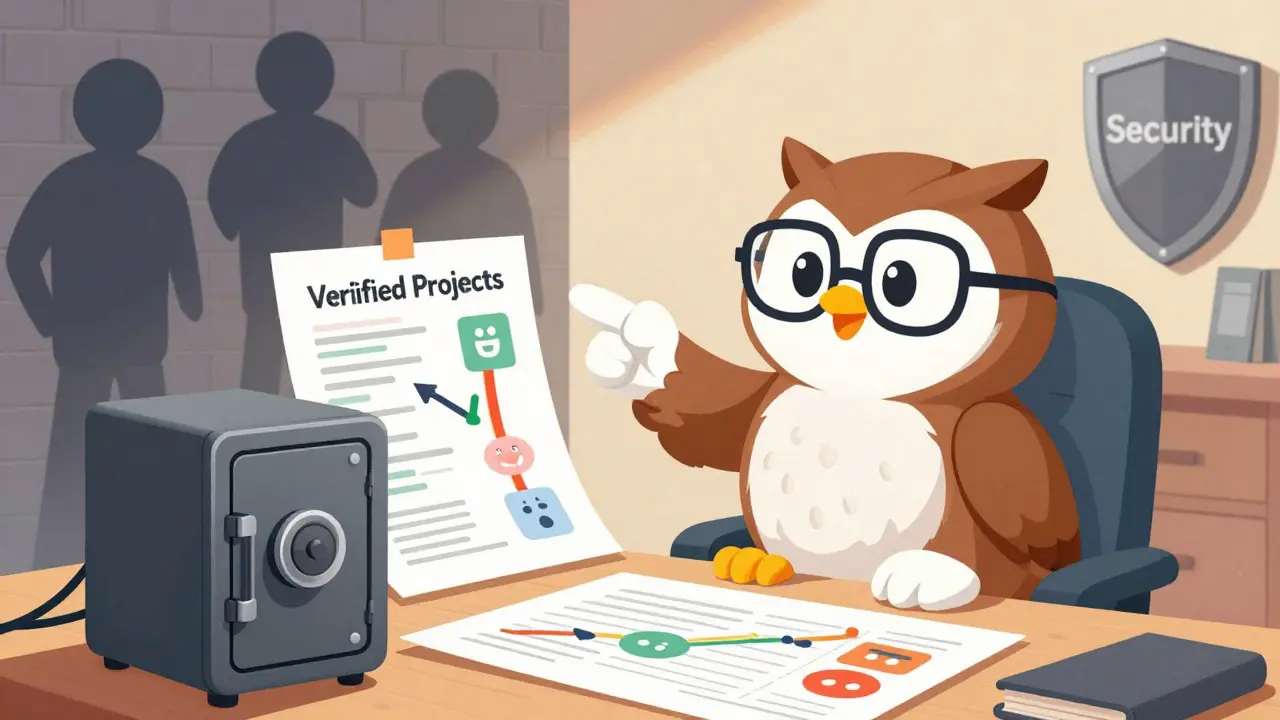
- Use a Burner Wallet: Never connect your main wallet holding significant funds to unverified dApps. Create a separate wallet with only enough ETH or SOL for gas fees. If it gets drained, your main portfolio remains untouched.
- Revoke Permissions Regularly: Use tools like Revoke.cash to check which apps have access to your tokens. If you signed a suspicious transaction, revoke it immediately.
- Verify Contract Addresses: Always copy the token contract address from the official project website, not from a third-party list. Paste it into Etherscan or Solscan to verify ownership and trading volume.
- Beware of Phishing DMs: No legitimate project support staff will ever DM you first. If someone claims to be from "Less Network Support," they are lying. Block and report them.
- Enable Hardware Security: For larger holdings, move your keys to a hardware wallet like Ledger or Trezor. This adds a physical layer of protection against remote hacks.
These steps might seem tedious, but they save you from irreversible losses. In crypto, once your private key is compromised, there is no customer service to call. You are your own bank, which means you are also your own security team.
Why Transparency Matters More Than Rewards
The crypto industry is maturing. In 2026, regulators are watching closely, and exchanges are requiring stricter compliance. Projects that hide their identity or operate in the shadows risk being delisted or shut down entirely. This makes transparency a feature, not just a virtue.
When a project like Nillion Network launches, they publish detailed documentation about their privacy-preserving computation model. They explain who the founders are, who invested, and how the token will be distributed. This clarity builds trust. In contrast, "Less Network" offers nothing but empty promises. Without a foundation, there is no value to distribute.
Ask yourself: Why would a real company give away millions of dollars worth of tokens for free? They wouldn’t. They’d give them to users who provide liquidity, security, or engagement. If the task is too easy, the reward is likely fake. It’s that simple.
Is the Less Network airdrop real?
As of May 2026, there is no verified evidence that Less Network exists or has launched an airdrop. The project lacks a website, whitepaper, or presence on major crypto trackers. Treat any claims about a Less Network airdrop as highly suspicious and likely a scam.
How can I tell if a crypto airdrop is a scam?
Look for red flags like urgent deadlines, requests for upfront payments, unverified social media accounts, and links to new domains. Legitimate airdrops require on-chain activity, have transparent teams, and never ask you to send funds to claim rewards.
What should I do if I already connected my wallet to a Less Network site?
Immediately disconnect your wallet from the site. Go to Revoke.cash and revoke any approvals granted to that contract. Move your remaining funds to a new, secure wallet. Do not send any more transactions to that site.
Are there any legitimate airdrops available in 2026?
Yes, projects like Monad, Initia, and Abstract have active ecosystems where users can participate in testnets or quests. Always verify these opportunities through official channels and reputable aggregators like DefiLlama or Airdrop.io.
Why don't I see Less Network on CoinMarketCap?
CoinMarketCap only lists tokens that meet strict criteria for liquidity, trading volume, and legitimacy. If Less Network isn't listed, it means the token either doesn't exist, has no market value, or failed to meet basic standards for public trading.
Oh my gosh, this is such a relief to read! 😱 I was getting so anxious seeing all those DMs about Less Network promising free tokens. It’s terrifying how easy it is for people to fall for these traps. The part about checking CoinMarketCap and CoinGecko is gold. If it’s not there, it’s basically a ghost town or a scam den. I’m going to share this with my book club because honestly, even non-crypto folks are getting targeted now. Thank you for being the voice of reason in this chaotic space! 🙏