The blockchain gaming space moves fast, and missing out on early access can mean leaving money on the table. If you are looking into GameZone, also known as GZONE, which is a blockchain gaming launchpad designed to democratize access to Initial Game Offerings for regular gamers, you probably want to know one thing: how do I get free tokens or early entry? The short answer is that GameZone doesn’t operate like traditional meme coin projects with massive, random airdrops. Instead, it uses a structured system of staking rewards and tier-based allocations that functions similarly to an ongoing distribution event.
Understanding this distinction is crucial before you commit any funds or time. GameZone was built to solve a specific problem in the crypto world: whales and venture capitalists were dominating early game launches, leaving everyday players behind. By launching in 2021 under the BlueZilla ecosystem, GameZone aimed to level the playing field. This guide breaks down exactly how the initial launch worked, what the "airdrop" mechanism actually looks like today, and how you can position yourself for future opportunities within the platform.
How the GameZone IDO Launch Actually Worked
To understand where GZONE stands today, we need to look at its foundation. The platform didn’t just appear overnight; it went through a rigorous fundraising process designed to ensure stability and long-term viability. The Initial DEX Offering (IDO) took place in September 2021, following a private sale phase. This wasn’t a chaotic dump of tokens but a calculated rollout.
The fundraising structure consisted of three distinct phases:
- Private Sale: Raised $110,000 from early investors and partners.
- Initial DEX Offering (IDO): Generated an additional $112,500 from the public market.
- Strategic Funding Round: Secured a final $1 million capital injection.
This comprehensive approach resulted in a total raise of $1.22 million. At the time, this provided GameZone with substantial resources to build its infrastructure and support blockchain gaming startups. The token saw immediate interest, reaching an all-time high of $1.18 on November 18, 2021. While prices have fluctuated significantly since then-reflecting broader market trends-the underlying structure remains focused on utility rather than speculation alone.
The Truth About GZONE "Airdrops" and Rewards
You might be searching for a simple "claim now" button for free GZONE tokens. Here is the reality: GameZone does not typically run traditional, one-off airdrop campaigns where you connect a wallet and receive tokens for free without prior engagement. Instead, the platform utilizes a continuous reward distribution model through its staking system.
This system acts as a functional equivalent to an airdrop for active participants. Here is how it works:
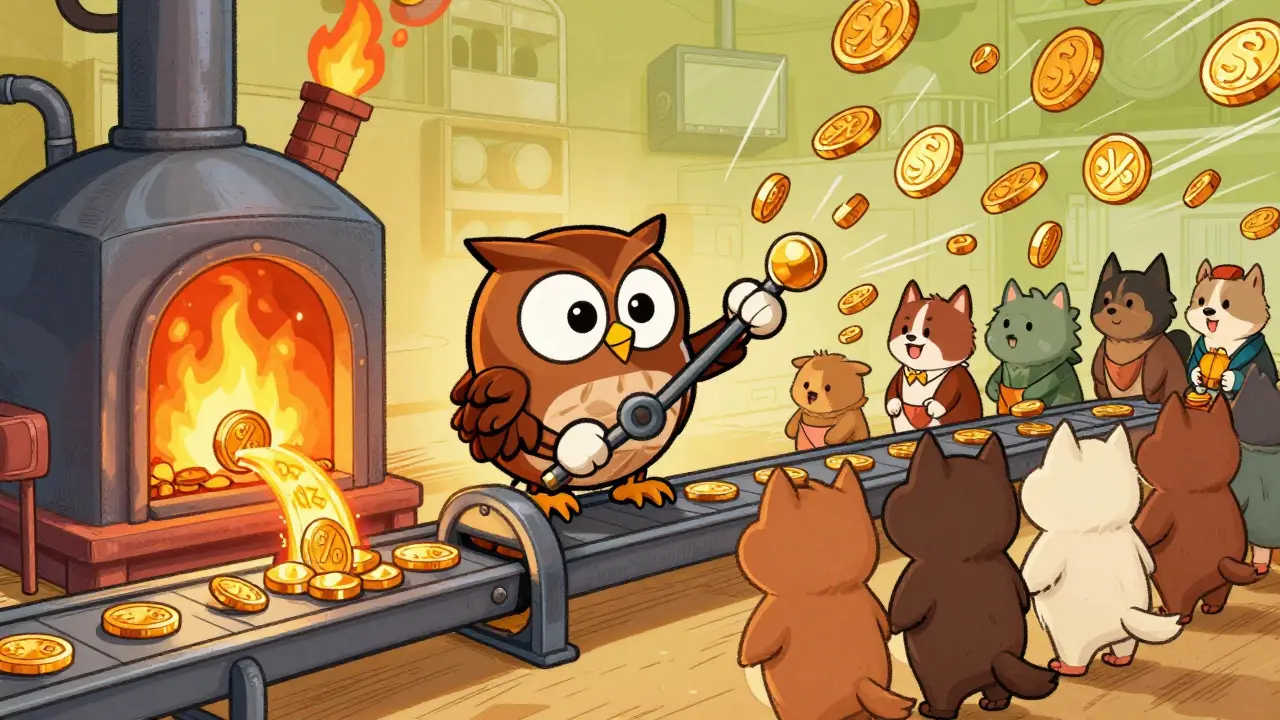
- Sell Fee Mechanism: When users sell GZONE tokens on the open market, a 7% fee is applied to the transaction.
- Burning Component: Of that 7%, 2% is permanently burned, reducing the total supply and creating deflationary pressure.
- Staking Rewards: The remaining 5% is distributed directly to users who are staking their GZONE tokens.
This means that if you hold and stake your tokens, you are continuously receiving new GZONE tokens generated from the trading activity of others. It is a passive income stream that rewards loyalty and long-term holding. For many users, this steady drip of rewards feels much more sustainable than a one-time airdrop that often leads to immediate selling and price crashes.
Tier-Based Allocation: Your Ticket to Early Access
The real value of holding GZONE isn’t just the token itself; it’s what the token unlocks. GameZone operates on a tier-based allocation system. This is the core feature that differentiates it from standard exchanges. Your access to high-profile Initial Game Offerings (IGOs) and Initial NFT Offerings (INOs) depends directly on how many GZONE tokens you stake and for how long.
| Factor | Impact on User Experience |
|---|---|
| GZONE Stake Amount | Determines your pool weight. Higher stakes = higher priority in token sales. |
| Staking Duration | Longer holds often unlock better tiers or reduced unstaking fees. |
| Unstaking Penalty | Early unstaking can incur fees up to 25%, discouraging short-term flipping. |
| Reward Distribution | Receives 5% of sell fees as continuous passive income. |
This system ensures that serious community members get first dibs on promising projects. Successful launches facilitated by GameZone include notable titles like Katana Inu, Galactic Quadrant, and Velhalla. By participating in these early stages, users have historically seen significant returns, provided they did their own due diligence on the individual games.
Tokenomics and Supply Dynamics
When evaluating any cryptocurrency, especially one tied to gaming, you need to understand the supply mechanics. GameZone employs a deflationary model designed to increase scarcity over time. The total maximum supply is capped at 1 billion GZONE tokens. As of recent data, the circulating supply sits around 421.5 million tokens.
The deflationary aspect comes from the burn mechanism mentioned earlier. Every time someone sells GZONE, 2% of those tokens are removed from circulation forever. Over time, as trading volume increases, the supply decreases. This creates a natural upward pressure on the asset, assuming demand remains stable or grows. However, it is important to note that the current market conditions have been challenging. The token has experienced significant volatility, with periods of bearish sentiment impacting its price action. Always check real-time data on reliable trackers before making decisions.
Ecosystem Support: More Than Just Tokens
GameZone isn’t just a launchpad; it positions itself as a full-service incubator. This partnership with BlueZilla, a well-known accelerator for crypto startups, provides deep resources for the projects listed on the platform. Selected games receive legal support, marketing assistance, technical development help, and tokenomics consulting.
For the user, this matters because it suggests a higher quality control bar. You aren’t just buying into random ideas; you are accessing projects that have passed a vetting process. Additionally, the GameZone Marketplace allows users to buy and sell NFTs with competitive fees. This integration adds practical utility to the GZONE token beyond just governance or speculation. It creates a closed-loop economy where the token facilitates multiple activities within the metaverse gaming sector.
Market Context and Future Outlook
As we move through 2026, the broader cryptocurrency landscape continues to evolve. GameZone faces both opportunities and challenges. On one hand, the GameFi sector is maturing, with more developers building sustainable play-to-earn models rather than pure hype projects. On the other hand, market corrections are inevitable. Technical indicators have shown periods of oversold conditions, suggesting potential bounce-back opportunities for long-term holders.
Analysts have projected varying trajectories for GZONE. Some forecasts suggest potential growth driven by increased adoption of blockchain technology and enhanced token utility. Others warn of continued volatility during market downturns. The key takeaway is that GameZone’s value is tied to its ability to launch successful games and maintain an active user base. If the platform continues to incubate hit titles, the demand for GZONE stakes will likely rise, benefiting those who participated early through the staking reward system.
Is there a current GameZone airdrop available?
There is no traditional one-time airdrop campaign currently running. However, users can earn GZONE tokens passively by staking their existing holdings. The platform distributes 5% of all sell fees to stakers, acting as a continuous reward system for active participants.
What is the minimum amount needed to stake GZONE?
The platform generally allows flexible staking amounts, but higher stakes provide better tier access and pool weights. Check the official GameZone dashboard for specific minimum thresholds, as these may vary based on current liquidity and promotional periods.
Can I unstake my GZONE tokens anytime?
Yes, but be aware of the penalties. Early unstaking can incur fees of up to 25%. This is designed to encourage long-term holding and stabilize the token’s value. Plan your exit strategy carefully to avoid losing a significant portion of your assets to fees.
Which blockchains does GameZone support?
GameZone operates across multiple networks including Polygon, Binance Smart Chain, Solana, and Ethereum. This multi-chain approach reduces gas fees for users and expands the range of compatible gaming projects.
How does the 7% sell fee work?
When you sell GZONE tokens, 7% of the transaction value is taken as a fee. Of this, 2% is burned (removed from supply) and 5% is distributed to users who are actively staking their GZONE tokens. This creates a deflationary environment while rewarding holders.
It is fascinating to see how the definition of 'free money' in crypto has evolved from chaotic airdrops to structured staking mechanisms. This shift represents a maturation of the space, where sustainability matters more than hype. I believe that rewarding long-term holders creates a healthier ecosystem for everyone involved. The 5% distribution from sell fees is a clever way to incentivize patience rather than panic selling. It aligns the interests of traders and holders perfectly. We should appreciate these models that prioritize utility over speculation. 🌱💰
How utterly pedestrian. To suggest that a mere 5% drip-feed constitutes a viable investment strategy is laughable. One must possess a certain level of sophistication to understand that true wealth is not accumulated through such trivialities as 'staking rewards.' The pretension of calling this an 'airdrop equivalent' is quite amusing, really. It is merely a tax on liquidity, disguised as generosity for the masses who lack the acumen to navigate private sales.
yeah whatever another launchpad trying to sound smart about tokenomics. i dont have time to read all this bs about tiers and burning. just tell me if it goes up or down. seems like a scam to me honestly. why do i need to stake anything? sounds like work.
i totally get what you are saying about the tiers and everything but it feels like a lot of effort to just get access to games that might not even be good yet and i mean sure the burn mechanism is cool because supply goes down but does anyone actually play these games or is it just people flipping tokens for quick bucks which kind of defeats the purpose of supporting developers right? i guess we will see if the community sticks around after the initial hype dies down because history shows us that most projects fade away pretty quickly unless they have real utility beyond just governance votes which seems to be the trend now.
it’s nice to see a platform focusing on actual utility instead of just hype cycles. the tier system makes sense for filtering out bots. i think long term holders will benefit most here.
This looks like another foreign scheme trying to siphon money from unsuspecting investors. The multi-chain approach is just a way to spread risk across different vulnerable networks. Americans should stick to regulated exchanges and not waste time on these unproven gaming tokens. The 25% unstaking fee is a clear trap designed to lock your funds until the rug pull happens.
I wonder if the deflationary model can sustain itself during low volume periods. If trading drops, the rewards shrink, which might discourage holding. It is an interesting philosophical question about whether scarcity alone drives value without active participation. The BlueZilla partnership adds some credibility though. I am curious to see how the Katana Inu project performed long term.
The alpha here is obvious for those who know how to read the order books. The burn rate correlates directly with whale activity. When you see high volume sells, the stakers profit while the sellers pay the premium. It is a classic zero-sum game masked as positive sum. Watch the Polygon chain specifically for gas efficiency on stakes.
Indian gamers are finally getting a fair shot at these launches. No more whales buying everything instantly. The staking requirement ensures only serious players participate. Proud to see our tech sector growing in blockchain too. 🇮🇳
Everyone is so excited about the 'burn' mechanism but nobody talks about the inflation from new listings. The total supply cap is irrelevant if the circulating supply increases due to new IDOs. It is a flawed model designed to make retail feel secure while insiders dump their allocations. Typical narrative manipulation.
im not gonna lie the idea of passive income from just holding tokens sounds dreamy but im scared of the volatility tho. one day its green next day red. maybe ill try a small amount just to see how the staking interface works cause ui matters a lot for user experience and if its clunky i wont bother.
It is truly inspiring to witness the democratization of access within the blockchain gaming sector. The structured approach to Initial Game Offerings ensures that meritocracy prevails over capital concentration. One must commend the developers for implementing such a robust reward distribution system. It reflects a deep understanding of behavioral economics and incentive alignment.
another generic guide copy pasted from somewhere else. nobody reads these anymore. the market is dead anyway. why bother explaining something that will fail in six months. save your breath.