
Imagine you’re looking for a place to store your Bitcoin that feels less like the Wild West and more like a bank vault. That’s exactly where bitFlyer is a regulated cryptocurrency exchange founded in Japan in 2014, known for its strict security measures and multi-jurisdictional licensing across the US, EU, and Japan. sits. It doesn’t try to be everything to everyone. It doesn’t have hundreds of obscure coins or flashy NFT marketplaces. Instead, it focuses on one thing: keeping your money safe while letting you trade the big players like Bitcoin and Ethereum.
If you are new to crypto, this simplicity might sound like music to your ears. If you’re a day trader who lives on margin and altcoins, it might sound boring. So, is bitFlyer actually good in 2026? Let’s break down what works, what doesn’t, and whether you should open an account today.
The Security First Approach
Security isn’t just a buzzword for bitFlyer; it’s their entire brand identity. In an industry where headlines about hacked exchanges are all too common, bitFlyer has maintained a clean record. As of mid-2026, they boast a seven-year streak without a single hacking incident involving customer funds (dating back from 2018). That kind of track record is rare.
How do they pull this off? They keep almost nothing online. The platform stores 100% of customer cryptocurrency in cold storage-offline wallets that hackers can’t reach remotely. When you log in, you’re interacting with a system designed to move data, not hold assets. They also use multi-signature technology, meaning multiple keys are needed to authorize any transaction, adding layers of protection against internal or external threats.
For many users, especially those in the United States where regulatory uncertainty looms large, this peace of mind is worth more than having access to 300 different tokens. You aren’t paying for features here; you are paying for insurance against disaster.
What Can You Actually Trade?
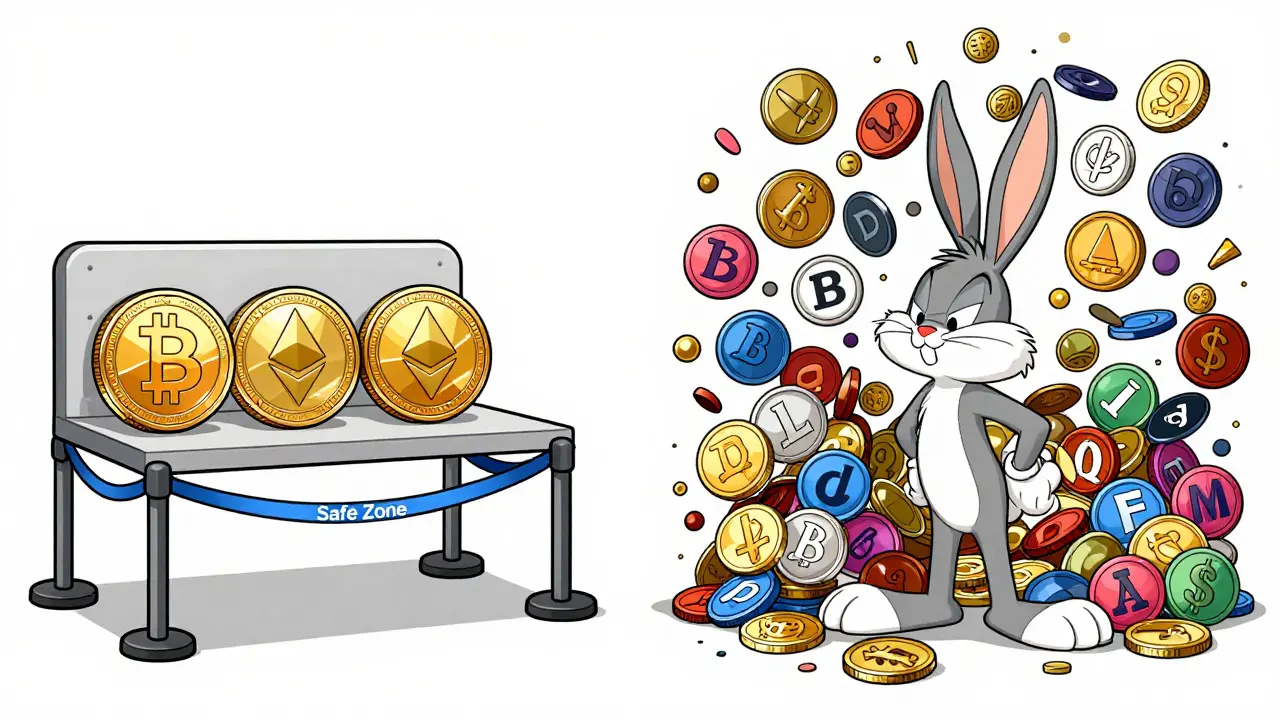
Here is where things get tricky. If you love variety, bitFlyer will disappoint you. As of late 2025 and continuing into 2026, the platform supports only about 11 cryptocurrencies. Compare that to giants like Coinbase, which lists over 250 coins, or Crypto.com with over 350. Even Robinhood offers around 25.
The selection includes the heavy hitters:
- Bitcoin (BTC)
- Ethereum (ETH)
- Litecoin (LTC)
- A few other major caps depending on regional availability
This limited list means bitFlyer is essentially a gateway for buying and holding blue-chip crypto. If you want to gamble on the next big meme coin or dive into decentralized finance (DeFi) tokens, you’ll need to look elsewhere. For most beginners, though, sticking to BTC and ETH is often the smartest move anyway. Less choice can sometimes mean fewer bad decisions.
Fees and Costs: Are They Competitive?
Let’s talk money. No one likes hidden fees, and crypto platforms are notorious for them. bitFlyer uses a tiered maker/taker fee structure based on your 30-day trading volume. For sophisticated traders using their advanced platform, rates start at 0.10% (10 basis points). Business Insider has noted this as among the most competitive structures for regulated US exchanges.
However, there are catches. If you use the simple buy/sell interface rather than the professional order book, you might see spreads that feel high. Some users report effective costs closer to 6% when executing simple market orders due to low liquidity on certain pairs like ETH/BTC. Always check the spread before hitting buy.
| Feature | bitFlyer | Coinbase | Crypto.com |
|---|---|---|---|
| Crypto Selection | ~11 Coins | 250+ Coins | 350+ Coins |
| Base Trading Fee | 0.10% - 0.03% | Variable (Spread + Fee) | 0.40% - 0.00% |
| ACH Deposit/Withdrawal | Free ($5k/week limit) | Free | Free |
| Margin Trading | No (US/EU), Yes (Japan) | Limited | Yes |
Deposits via ACH are free, but there’s a $5,000 weekly limit. Wire transfers cost money but allow larger amounts. Keep these limits in mind if you plan to move significant capital frequently.
Lightning Exchange: Built for Pros
While the main app looks beginner-friendly, bitFlyer hides a beast called Lightning Exchange. This platform was crafted by Wall Street experts and offers programmatic trading capabilities with over 20 special order types. It connects directly to global liquidity pools, including the world’s largest BTC/JPY market.
If you are an algorithmic trader or someone who understands limit orders, stop-losses, and take-profits deeply, Lightning Exchange is powerful. But remember: it requires knowledge. Jumping in without understanding how these tools work can lead to losses faster than any hack could.
User Experience and Support Issues
Here comes the hard truth. While the tech is solid, the human side gets mixed reviews. On platforms like G2, verified users have complained about "zero support" and orders failing to execute arbitrarily. One user described a situation where their open position felt unsafe because the platform wouldn't respond during critical moments.
Liquidity issues also pop up. The ETH/BTC pair, for instance, suffers from thin order books compared to larger exchanges. This forces some traders to use bitFlyer merely as a bridge-buying BTC there for its security, then transferring it to Binance or another exchange for actual active trading. It’s a workaround, yes, but it highlights a gap in service.
Customer support seems inconsistent. Email responses can be slow, and live chat options are limited. If you’re the type of person who needs immediate help when something goes wrong, this might stress you out.

Who Should Use bitFlyer?
Not every tool fits every job. bitFlyer shines in specific scenarios:
- The Security-Conscious Beginner: You want to buy Bitcoin, hold it long-term, and sleep well at night knowing your funds are in cold storage with a proven track record.
- The Japanese Market Player: Access to the massive BTC/JPY liquidity pool is unique and valuable for arbitrage opportunities.
- The Regulated Trader: You prioritize compliance and licenses in the US, EU, and Japan over having endless coin choices.
On the flip side, avoid bitFlyer if:
- You trade dozens of different altcoins daily.
- You rely heavily on margin trading (unavailable in US/EU).
- You need instant, responsive customer support.
Final Thoughts
bitFlyer isn’t trying to win popularity contests. It’s playing a different game-one of trust and stability. With 3 million+ global users and billions in assets under custody, it has earned its spot in the market. But it demands patience regarding support and acceptance of its limited coin list.
If your goal is simple, secure exposure to Bitcoin and Ethereum, bitFlyer remains one of the safest bets in town. Just don’t expect it to replace your go-to exchange for complex strategies or exotic tokens.
Is bitFlyer available in my country?
bitFlyer operates legally in the United States, European Union, and Japan. However, availability within the US may vary by state due to local regulations. Always check their official website for the most current list of supported regions before signing up.
Can I trade margin on bitFlyer?
Margin trading with up to 4x leverage is available exclusively for residents of Japan. Users in the US and EU cannot access margin features on the platform.
How much does it cost to deposit money?
ACH deposits are free but capped at $5,000 per week. Wire transfers incur fees but allow higher limits. Credit card purchases may carry additional processing charges.
Why are there so few coins on bitFlyer?
bitFlyer prioritizes security and regulatory compliance over variety. By limiting the number of assets, they reduce risk exposure and ensure rigorous vetting of each cryptocurrency listed. This approach appeals to conservative investors.
Is bitFlyer safe from hacks?
As of 2026, bitFlyer has not suffered a major hack affecting customer funds since 2018. They store 100% of customer crypto in cold storage and employ multi-signature authentication, making it one of the most secure platforms available.