Tokenized Community: What It Is and How It Changes Crypto Ownership
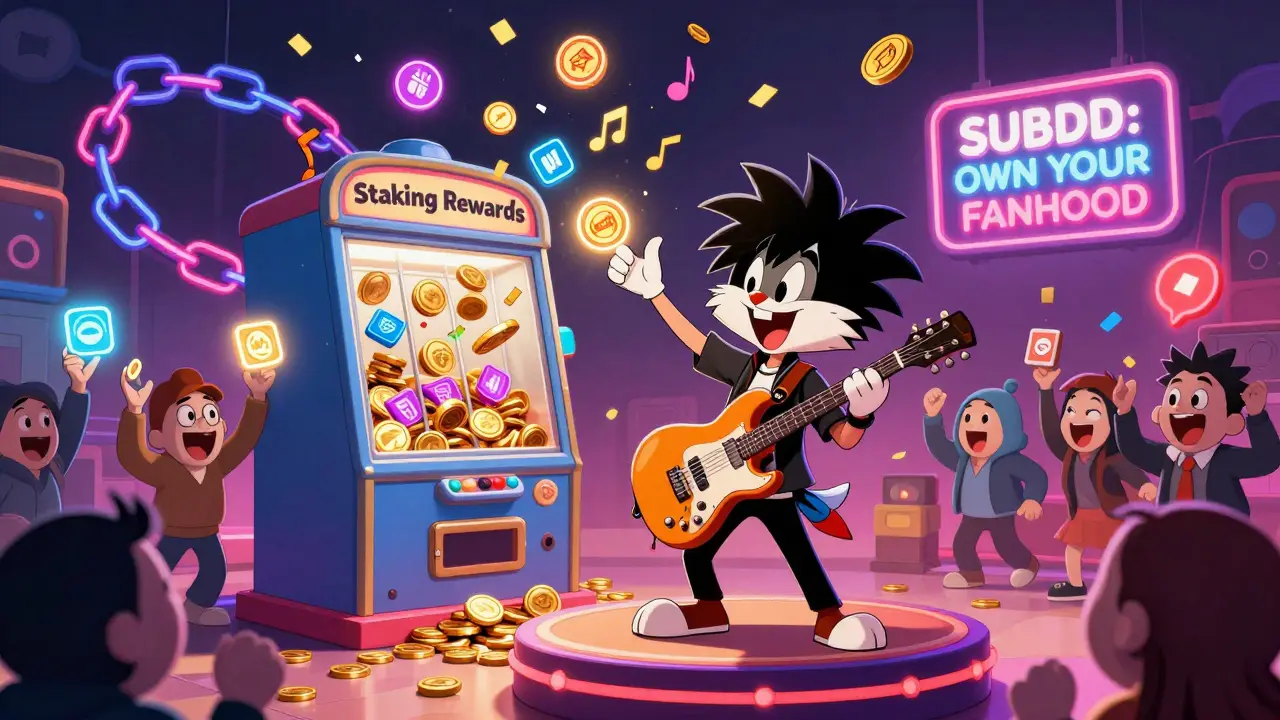
When you hear tokenized community, a group of people united by digital tokens that grant them ownership, voting rights, or shared incentives. Also known as token-governed community, it’s not just a Discord server with a coin—it’s a new way to organize people around a shared goal using blockchain. Unlike traditional online groups where only founders or investors make decisions, a tokenized community lets anyone who holds a token help shape its future. Think of it like owning a share in a local coffee shop, but instead of paper stock, you hold a digital token on a blockchain.
This model connects directly to blockchain governance, the system where token holders vote on protocol upgrades, treasury spending, or new features. Projects like Curve Finance and Commune AI use this to let users decide what happens next—no CEO, no boardroom, just code and votes. That’s why crypto token ownership, the idea that holding a token gives you real influence, not just speculative value. is so powerful. It turns passive followers into active participants. And it’s not just about voting. Tokens can unlock exclusive access, profit-sharing, or rewards—like how TAUR NFT holders get a cut of platform fees, or how Stryke’s SYK token lets users earn from options trading fees.
But not every token equals real power. Many projects just slap a token on top of a social media group and call it a tokenized community. Real ones have transparent voting records, measurable participation, and token utility that’s tied to actual outcomes. Look at the difference between LACE, which promised rewards but delivered nothing, and Figure Markets, where token holders benefit from regulated, real-world asset yields. The first is a scam. The second is a working model.
What you’ll find here are real examples—some working, some failed—of how tokenized communities actually play out. From memecoins with zero governance to DeFi protocols that let you vote on treasury moves, this collection shows what’s real, what’s hype, and what’s dangerous. No fluff. Just what happens when ownership moves from corporations to code—and who ends up winning or losing.