Singapore Crypto Regulations: What You Need to Know in 2025
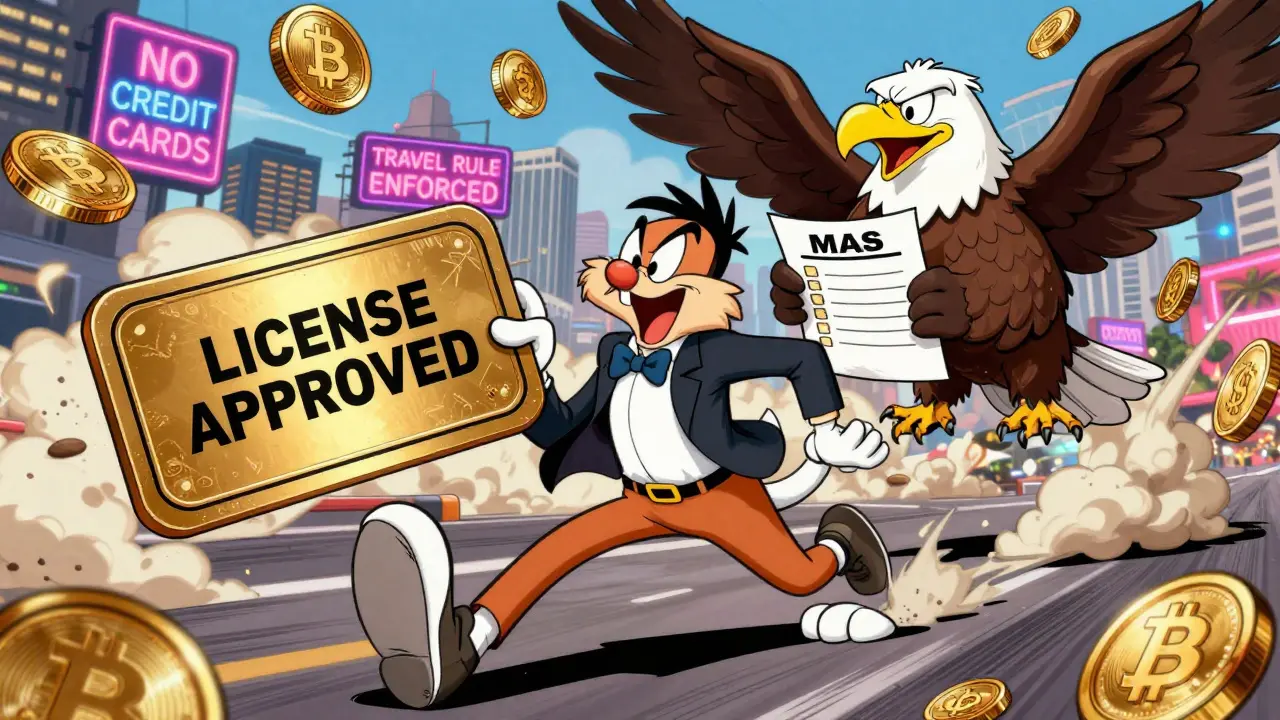
When it comes to Singapore crypto regulations, the strict but transparent framework set by the Monetary Authority of Singapore (MAS) that governs digital asset trading, issuance, and custody. Also known as MAS crypto rules, it’s one of the few crypto regulatory systems that actually works—clear enough for businesses to build on, and strong enough to stop scams. Unlike places where crypto is banned or ignored, Singapore treats digital assets as financial instruments. That means if you’re running an exchange, issuing a token, or even running a crypto-focused fund here, you need a license—and you need to prove you’re not just another shady operation.
The Monetary Authority of Singapore, the central bank and financial regulator responsible for overseeing all financial activities in the country, including crypto. Also known as MAS, it doesn’t just say "be careful." It lays out exact requirements: minimum capital, anti-money laundering systems, proof of reserves, and strict KYC. Exchanges like Binance and Crypto.com had to restructure their operations to comply. Privacy coins? Banned. Unlicensed platforms? Shut down. Even stablecoins have to be fully backed and audited. This isn’t just bureaucracy—it’s what keeps your funds safe when you trade on a Singapore-licensed platform.
And it’s not just about exchanges. If you’re launching a token, MAS looks at what it actually does. Is it a security? Then it’s under strict investor protection rules. Is it a utility token? Then you still need to disclose how it works and who controls it. The rules are detailed, but they’re public. You can read them online. There’s no guessing. That’s why so many crypto firms choose Singapore over Dubai or Hong Kong—because they know what’s allowed, and they know the consequences if they break the rules.
For users, this means fewer scams, clearer rules, and real accountability. If a platform says it’s licensed in Singapore, you can check its name on MAS’s official list. If it’s not there, walk away. You won’t find a single regulated crypto exchange in Singapore that’s been shut down for fraud in the last five years. That’s the power of clear rules enforced by a competent authority.
Below, you’ll find real-world breakdowns of crypto platforms that operate under these rules—or that got caught trying to bypass them. You’ll see what licenses actually mean, which exchanges passed the test, and which ones were exposed as frauds pretending to be compliant. This isn’t theory. It’s what’s happening right now in one of the world’s most important crypto hubs.