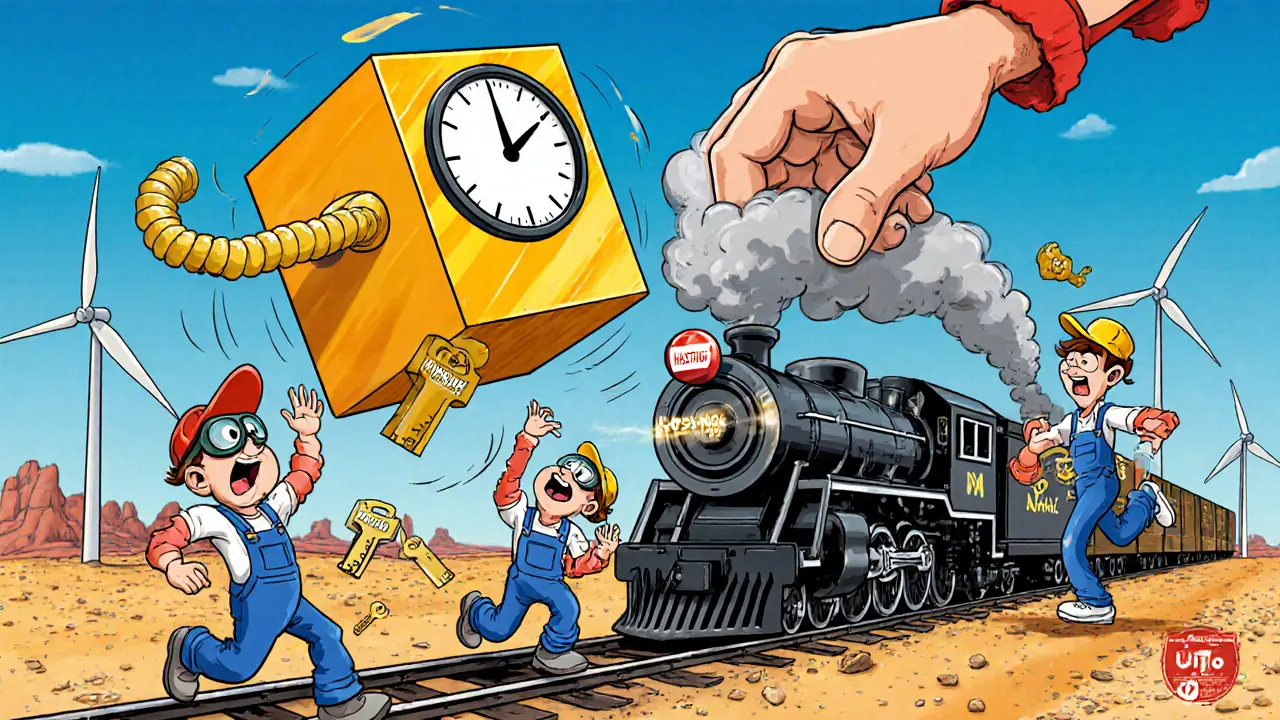
Cryptocurrency Mining: How It Works, What You Need, and Why It's Changing
When you hear cryptocurrency mining, the process of validating blockchain transactions and earning new coins as a reward. Also known as blockchain mining, it's the engine behind Bitcoin and dozens of other networks that still use proof of work. It’s not digital alchemy—it’s computing power solving complex math puzzles to lock new blocks into the chain. Every solved puzzle adds a batch of verified transactions and rewards the miner with fresh coins. That’s how Bitcoin got started, and why miners still matter—even as newer chains move away from it.
But mining hardware isn’t just any computer. Early miners used regular CPUs. Then GPUs took over. Now, specialized machines called ASICs dominate Bitcoin mining—devices built for one thing: solving SHA-256 hashes faster than anything else. These machines cost thousands, use massive electricity, and need cooling systems just to stay alive. If you’re thinking about starting today, you’re not just buying gear—you’re entering a high-stakes industrial game where profit depends on cheap power and timing. Most home miners today lose money after paying electricity bills. The real winners are large farms in places like Texas, Kazakhstan, or Georgia, where energy is cheap and regulations are loose.
And that’s why cryptocurrency mining is changing. Ethereum ditched proof of work in 2022 for proof of stake, slashing its energy use by 99.9%. Other chains are following. Even Bitcoin miners are feeling pressure—from governments, investors, and public opinion. Mining isn’t disappearing, but it’s becoming more centralized, more regulated, and less accessible to individuals. The rewards? They’re still real, but they’re harder to reach without serious resources.
What you’ll find in this collection aren’t hype-filled guides or get-rich-quick schemes. These are real breakdowns of what’s actually happening: why some tokens claim to be mineable but aren’t, how scams pretend to offer mining payouts, and which projects still rely on miners to survive. You’ll see posts about fake mining apps, misleading airdrops disguised as mining rewards, and exchanges that pretend to offer mining shares. You’ll also find deep dives into how blockchain security depends on mining, why some coins can’t be mined at all, and what happens when the last Bitcoin is mined. This isn’t theory. It’s what’s happening right now—on the ground, in the code, and in the wallets of people who thought they could mine their way to freedom.