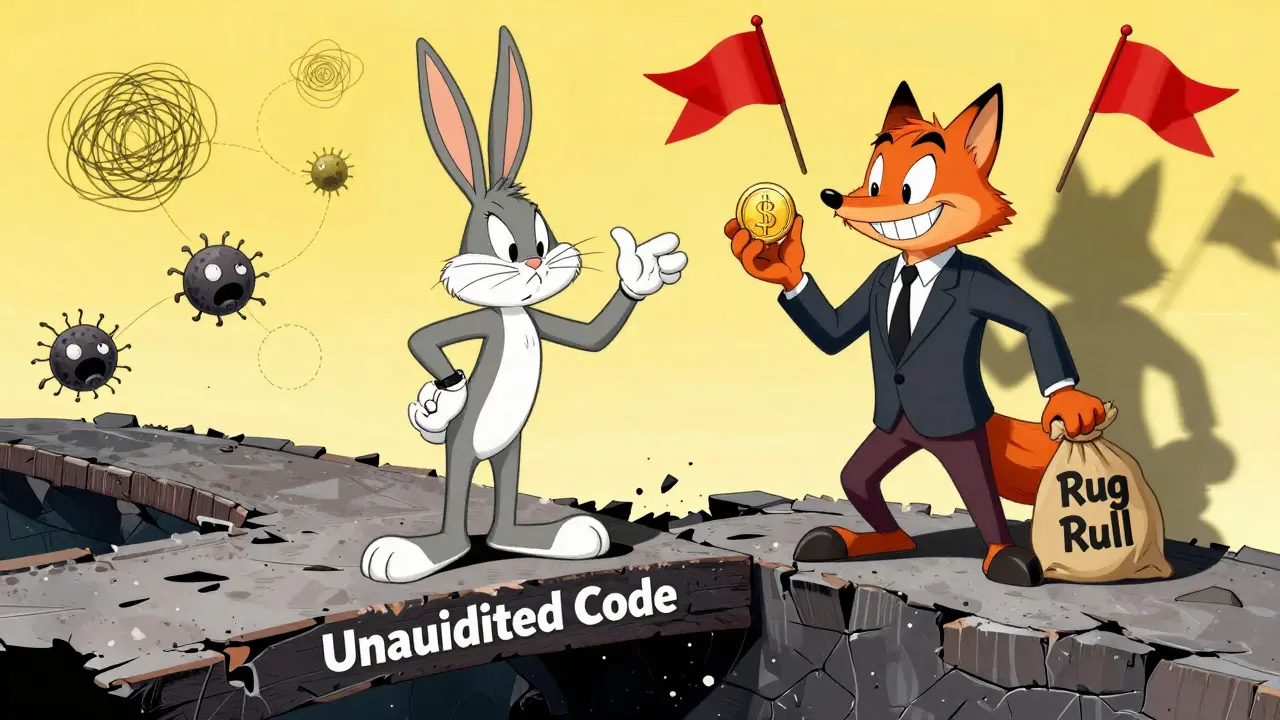
Imagine handing over your life savings to a contractor who refuses to show you the blueprints or let an engineer inspect the foundation. That is exactly what happens when you invest in unaudited blockchain projects. In the world of decentralized finance (DeFi) and Web3, an audit is not just a formality; it is the primary shield against code exploits, rug pulls, and hidden backdoors. Yet, many new projects launch without this critical safety net, luring investors with high yield promises while hiding fatal flaws in their smart contracts.
As of 2026, the landscape has shifted. With regulatory pressures tightening globally and AI-driven security tools becoming standard, launching without an audit is increasingly seen as a major red flag. This guide breaks down exactly what to look for when a project claims they are "auditing soon" or simply skips the process entirely. We will move beyond generic advice and dive into the specific technical and operational signals that separate ambitious startups from potential scams.
The Silence of Smart Contracts
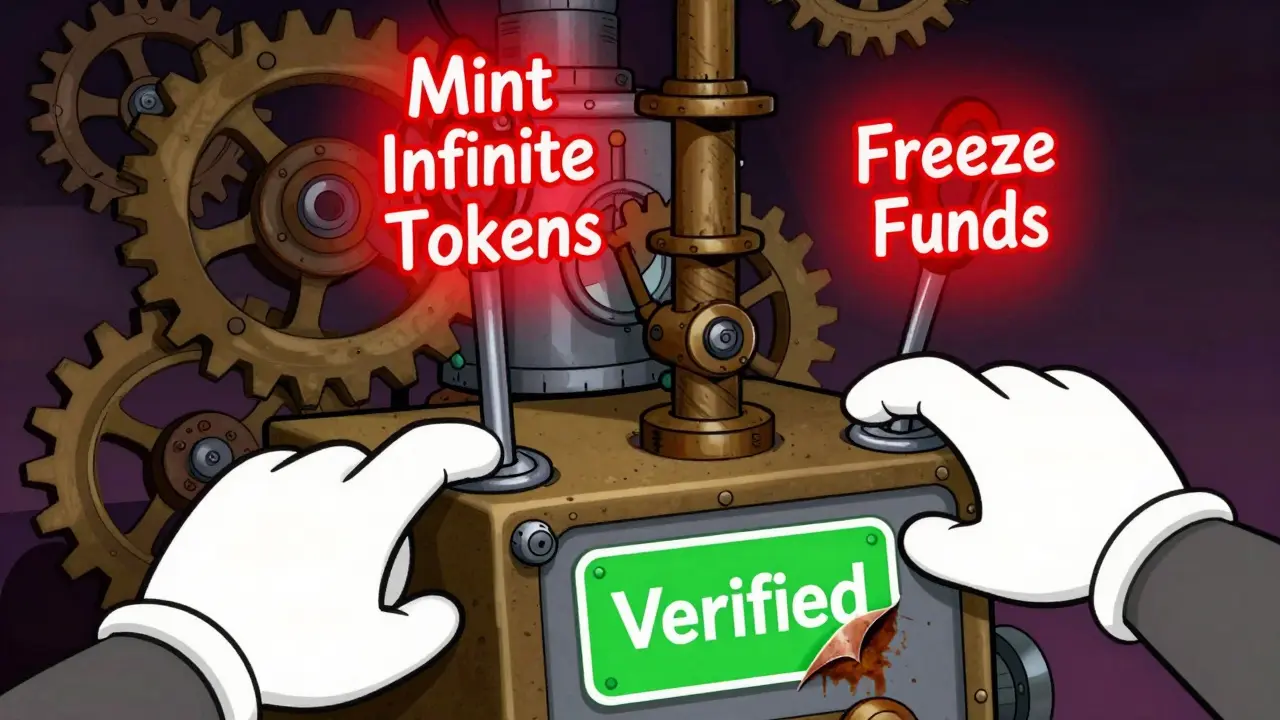
The most obvious red flag is the absence of verified source code on block explorers like Etherscan or Solscan. When a team deploys a contract but does not verify it, they are essentially saying, "Trust us, don't check." Verification allows anyone to read the underlying logic. If the code is hidden, malicious functions-such as a `mint` function that allows the developer to create infinite tokens or a `blacklist` function that freezes your funds-are invisible to you until it is too late.
Even if the code is visible, look for complex interactions with unknown external contracts. A legitimate project usually interacts with well-known protocols like Uniswap, Aave, or Chainlink. If the project relies heavily on obscure, unaudited libraries or custom bridges, the risk multiplies exponentially. These dependencies are often where vulnerabilities hide, waiting for a hacker to exploit them.
| Feature | Audited Project | Unaudited Project (Red Flag) |
|---|---|---|
| Source Code | Verified on block explorer | Hidden or unverified |
| Ownership | Renounced or time-locked multisig | Single wallet control |
| Liquidity | Locked for 1+ years | Unlocked or short-term lock |
| Team Identity | DOS (Doxxed) or reputable DAO | Fully anonymous with no track record |
Tokenomics That Favor the Creators
Look closely at the token distribution. In unaudited projects, developers often retain disproportionate power through unfair token allocations. A common trick is allocating 20-40% of the total supply to the "team" or "marketing" wallets with immediate vesting. This means they can dump millions of dollars worth of tokens onto the market the moment liquidity is added, crashing the price instantly-a classic "rug pull" mechanism.
Another subtle trap is the tax structure. While transaction taxes for development or marketing are normal, excessive buy/sell taxes (above 5-10%) in unaudited projects are suspicious. Without an audit to prove these funds go to a designated treasury, there is no guarantee the money isn't being diverted to personal wallets. Always check if the tax recipient address matches the public treasury address listed in their documentation.
Anonymous Teams and Ghost Communication
Anonymity is part of the crypto ethos, but in 2026, complete anonymity combined with no audit is a massive warning sign. Legitimate anonymous teams, like those behind early Bitcoin or Monero, have long-standing reputations built over years. New projects with brand-new Twitter accounts, empty LinkedIn profiles, and no verifiable past work should be treated with extreme caution.
Monitor their communication channels. Do they respond to technical questions, or do they only post hype-filled memes and price predictions? A lack of technical engagement suggests the team may not even understand the code they deployed. Furthermore, check for "copy-paste" content. Many scam projects steal whitepapers and websites from successful predecessors. Use reverse image searches and plagiarism checkers to verify originality.
Liquidity Locks and Contract Ownership
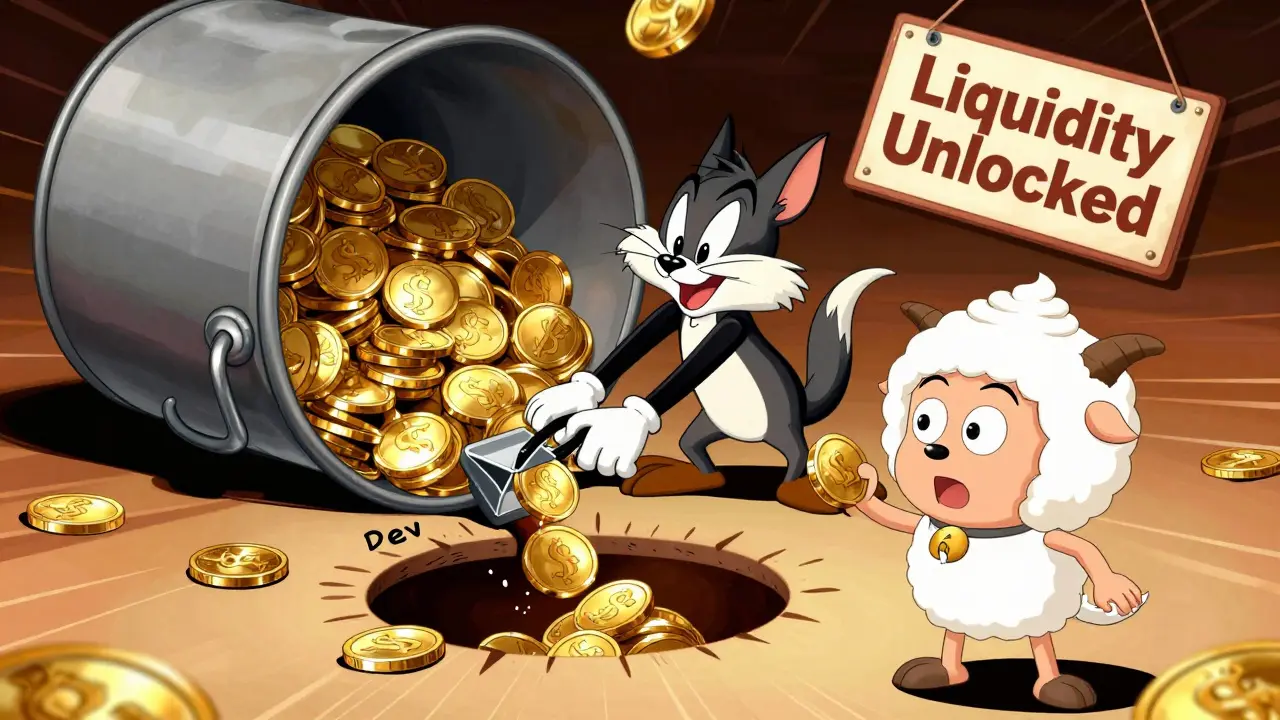
Liquidity is the fuel that allows you to trade a token. In unaudited projects, the biggest fear is the developer removing this liquidity, leaving holders with worthless tokens. Always verify if the liquidity pool tokens are locked using a reputable service like Unicrypt or Team Finance. Look for a lock period of at least six months, preferably one year or more. If the liquidity is unlocked, the developer can withdraw it at any second.
Equally important is contract ownership. Does the team hold the owner privileges? If so, can they pause trading, blacklist addresses, or change fees? In secure projects, ownership is either renounced (meaning no one can change the code) or managed by a multi-signature wallet requiring multiple parties to approve changes. A single private key controlling all aspects of a protocol is a single point of failure that hackers target relentlessly.
Marketing Over Substance
If a project spends 90% of its budget on influencer shills and Telegram giveaways rather than development, run. Unaudited projects often rely on artificial volume to create the illusion of demand. Check the holder distribution on tools like Etherscan. If the top 10 wallets hold more than 30% of the supply (excluding exchanges and burn addresses), the token is highly centralized and prone to manipulation.
Also, beware of unrealistic promises. Guarantees of fixed daily returns or "no-loss" strategies are mathematically impossible in sustainable DeFi models without hidden risks. These promises are designed to attract inexperienced investors who ignore the lack of security audits. Remember, if it sounds too good to be true, especially without independent verification, it almost certainly is.
Practical Due Diligence Checklist
Before investing in any unaudited project, run through this quick checklist:
- Verify Code: Is the contract source code verified on the block explorer?
- Check Liquidity: Is LP locked for a significant period? Who holds the unlock key?
- Inspect Ownership: Is ownership renounced or controlled by a multisig?
- Analyze Holders: Are top wallets concentrated? Are there suspicious transfers between dev wallets?
- Review History: Does the team have a verifiable track record in previous projects?
- Test Small: Never invest more than you can afford to lose. Start with a minimal amount to test withdrawals.
The Future of Security in Web3
The industry is moving towards automated security standards. By late 2026, we expect wider adoption of formal verification methods and AI-assisted code scanning as baseline requirements for listing on major exchanges. Projects that resist these trends will likely be relegated to the fringes of the ecosystem, carrying higher risk premiums. As a user, your best defense is skepticism. Demand transparency, verify everything yourself, and remember that in blockchain, trust is earned through code, not promises.
What is the biggest risk of investing in unaudited blockchain projects?
The biggest risk is the presence of hidden malicious code, such as backdoors that allow developers to steal funds, mint unlimited tokens, or freeze user balances. Without an audit, these vulnerabilities remain undetected until exploited.
Can an unaudited project still be safe?
It is possible but rare. Safety depends on open-source code, renounced ownership, locked liquidity, and a transparent, reputable team. However, the probability of undiscovered bugs or intentional fraud is significantly higher compared to audited projects.
How do I check if a smart contract is verified?
Go to a block explorer like Etherscan (for Ethereum) or Solscan (for Solana). Paste the contract address. If you see a "Contract" tab with readable Solidity or Rust code, it is verified. If it says "No Code" or only shows raw bytecode, it is unverified.
What does "renounced ownership" mean?
Renouncing ownership means the developer has permanently given up control over the smart contract. No one, including the creators, can change the code, pause trading, or modify fees. This is a strong positive signal for decentralization and security.
Why are liquidity locks important?
Liquidity locks prevent developers from withdrawing the funds that allow users to trade the token. Without a lock, a developer can perform a "rug pull" by draining the liquidity pool, causing the token's value to drop to zero instantly.