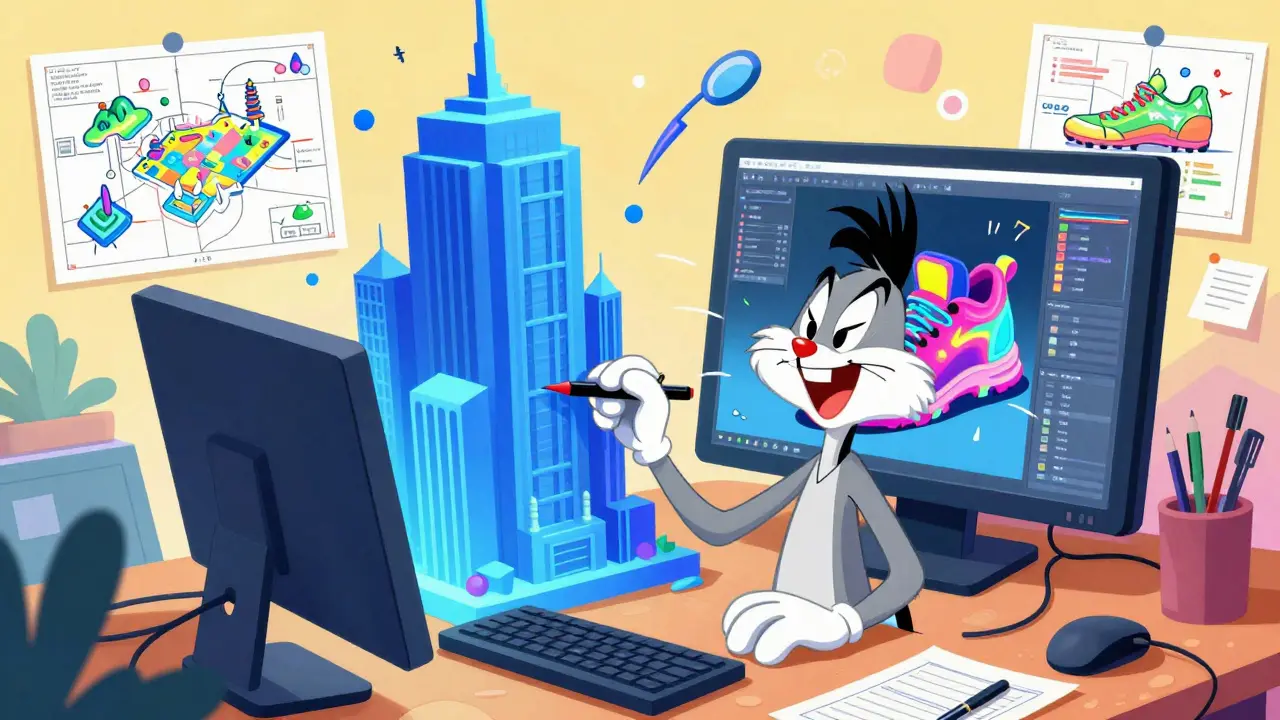
Imagine owning a piece of digital land in a city where the only limit is your imagination, or designing a piece of clothing that thousands of people wear across different virtual worlds. This is the reality of Metaverse Assets is digital items like virtual real estate, avatars, and wearables that exist within virtual worlds and are owned via blockchain technology. While the initial hype cycle of 2021 has cooled, the actual utility of these assets is maturing. Whether you're a digital artist looking to monetize your skills or an investor hunting for the next big virtual plot, understanding the bridge between 3D creation and blockchain ownership is where the real value lies.
The Blueprint for Creating Digital Assets
You can't just upload a JPEG and call it a metaverse asset. Depending on what you're building, you'll need specific tools. For most creators, Blender is the gold standard because it's free and powerful enough to handle everything from a simple hat to a complex skyscraper. If you have a bigger budget, industry pros often lean toward Maya or 3ds Max, though these come with steep annual subscription costs often exceeding $1,700.
Technical specs are where most beginners trip up. If you're building for Decentraland, you need to export your files in GLB format and keep them under 20MB. If you go over, the platform simply won't load your asset. On the other hand, if you prefer a blocky, LEGO-like aesthetic, The Sandbox uses a voxel-based system. You'll likely use VoxEdit, their free editor, keeping your creations within a 32x32x32 voxel limit. Keep in mind that polygon counts matter-a simple wearable usually stays between 500 and 5,000 polygons, while a massive building might push 50,000.
Turning Art into Ownership with Blockchain
Once your 3D model looks great, it's just a file on your hard drive. To make it a tradable asset, you have to "mint" it on a blockchain. Most assets use the Ethereum blockchain, specifically the ERC-721 standard for unique items (like a one-of-a-kind piece of land) or ERC-1155 for semi-fungible items (like a limited run of 100 identical sneakers).
The biggest hurdle here is the cost. Minting on Ethereum can be expensive; gas fees can swing from $50 to $200 depending on how busy the network is. Because of this, many new creators are moving to the Polygon blockchain. It's significantly cheaper, often costing just a few cents to mint, although Ethereum still commands about 80% of the total trading volume because that's where the most buyers are.
| Feature | Decentraland | The Sandbox |
|---|---|---|
| Primary Tool | Decentraland Builder / Blender | VoxEdit / Game Maker |
| File Format | GLB (under 20MB) | VXM |
| Visual Style | PBR Materials / Low Poly | Voxel (32x32x32) |
| Learning Curve | Steep (Requires 3D knowledge) | Moderate (More beginner-friendly) |
Strategies for Trading and Monetization
Trading these assets isn't just about listing them and hoping for the best. There are three main avenues for making money: flipping real estate, selling wearables, and offering architectural services.
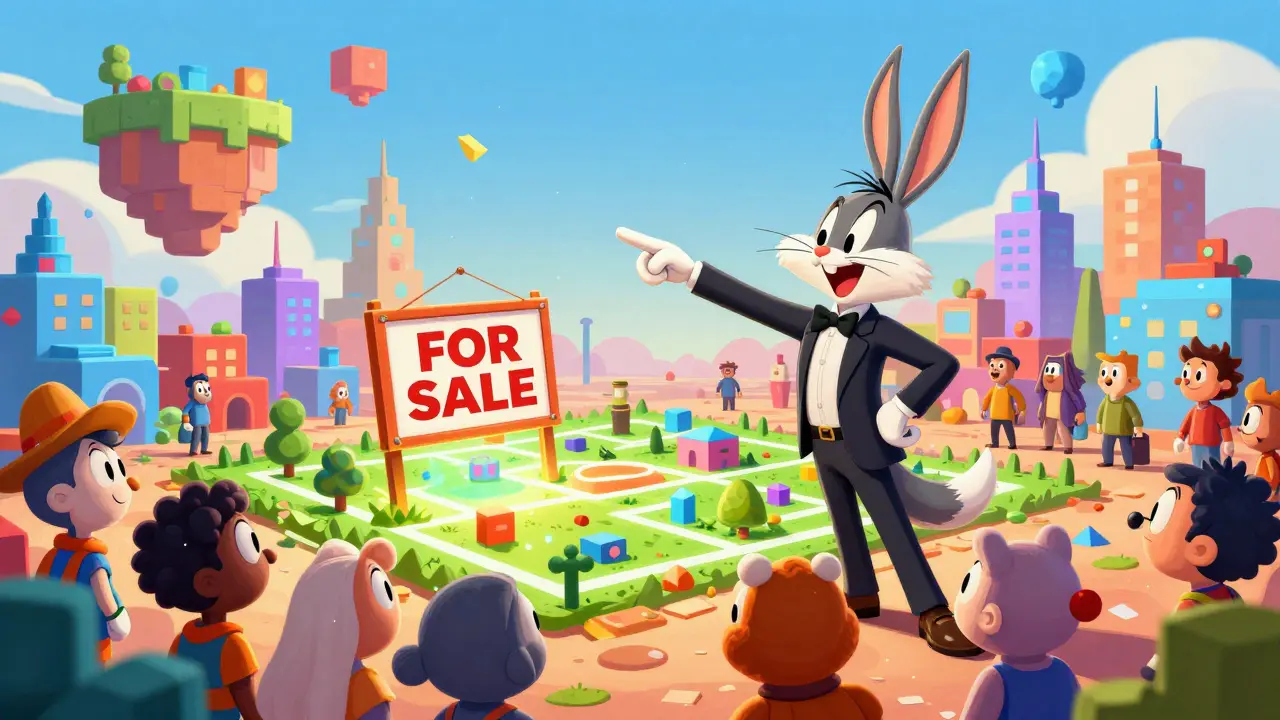
Virtual real estate is the high-stakes game. In platforms like Decentraland and The Sandbox, LAND parcels are the primary asset. While some plots have hit millions in peak hype, current prices usually hover between $800 and $15,000. The trick is location-parcels near "Genesis City" or popular brand hubs always command a premium. However, be wary: many assets lose value quickly if the platform's daily active user count drops.
Wearables are a more accessible entry point. Fashion creators can make a living by designing clothing and accessories. Some top designers have reported making over $50,000 a month by pricing items between $20 and $500. The key here is community engagement on Discord and Twitter to build a brand before the drop.
For those with technical skills, the real money is often in service-based work. Building custom virtual spaces for brands can earn you anywhere from $5,000 to $50,000 per project. Many companies want a presence in the metaverse but have no idea how to use Blender or write a Smart Contract in Solidity.
Where to Sell Your Creations
You have a choice between general marketplaces and platform-specific ones. OpenSea is the giant in the room, handling billions in transactions. It's great for reach, but they take a 2.5% cut. If you're selling a Decentraland-specific wearable, using the native Decentraland Marketplace is often better because the buyers are already there, though fees can range up to 5%.
When trading, always keep an eye on the "floor price"-the lowest price for an asset in a specific collection. If the floor price is dropping, it's usually a sign that the community is losing interest. Also, remember that you'll need a digital wallet, like MetaMask, to hold your assets and pay for transaction fees.
Risks and the Reality Check
It's not all digital gold. There's a significant risk of "artificial scarcity." Some critics argue that because digital space is technically infinite, the scarcity of a specific plot of land is a manufactured bubble. Furthermore, the barrier to entry is high. Some users have reported spending hundreds of dollars in gas fees just to experiment with minting, only to find their assets didn't sell.
The regulatory landscape is also shaky. The SEC has hinted that some NFTs might be classified as securities, which could change how we trade these assets in the future. Moreover, the actual number of active users is surprisingly small-often less than 0.01% of the global internet population. This means your market is a niche of a niche.
Do I need to know how to code to create metaverse assets?
Not necessarily. If you're using tools like VoxEdit or The Sandbox Game Maker, you can create a lot without a single line of code. However, if you want to create interactive objects or custom smart contracts for your assets, you'll need to learn Solidity (for Ethereum) or use a platform's specific API.
Which blockchain is best for minting metaverse assets?
It depends on your goal. Ethereum is the most prestigious and has the most buyers, but the gas fees are very high. Polygon is the best choice for beginners or those creating a large volume of affordable assets because the transaction costs are nearly zero.
What is the difference between ERC-721 and ERC-1155?
ERC-721 is for unique, one-of-a-kind assets, like a specific piece of virtual land. ERC-1155 allows for multiple copies of the same asset, which is perfect for wearables like a shirt where you want to sell 500 identical copies to different users.
How do I store my metaverse assets safely?
The safest way is using a hardware wallet (like Ledger or Trezor) linked to a software wallet like MetaMask. This ensures your private keys aren't stored on a device connected to the internet, protecting you from hacks and phishing scams.
Can I move an asset from Decentraland to The Sandbox?
Generally, no. Because each platform has different technical requirements (GLB vs VXM) and different internal economies, assets are typically "walled gardens." You might own the NFT on the blockchain, but the visual representation only works in the platform it was designed for.
Next Steps for Aspiring Creators
If you're just starting, don't spend a dime on expensive software. Download Blender and spend 20-40 hours practicing basic shapes. Once you're comfortable, join the official Discord servers for Decentraland or The Sandbox; that's where the actual knowledge sharing happens. Start by creating small wearables-they have a faster turnaround and lower risk than trying to build a massive virtual empire from day one.
Absolute goldmine for creators! 🚀 Just dive into Blender and let your imagination run wild. This is a sparkling start for anyone wanting to monetize their art!
Pure gambling. 🙄 You spend money on gas and get nothing back. Scam city.
omg i tried this and it was a total nightmarerrr!! like why is it so hard to just upload a file?? literally so frustratin!!
The distinction between the ERC-721 and ERC-1155 standards is vital for any serious developer to comprehend before deployment. It ensures that the asset's scarcity is mathematically aligned with the project's economic goals. Furthermore, utilizing hardware wallets is the only responsible method for securing high-value digital assets in the current cybersecurity climate.
Totally agree with the point on the L2 transition. Moving from L1 Ethereum to Polygon is a game-changer for liquidity and onboarding. We should really look into the interoperability protocols to bridge these walled gardens because that's where the true utility scaling happens. If we can leverage a more modular architecture for these assets, the UX will improve drastically for the average user.
I think it's important to start small like the guide suggests. It keeps expectations realistic.
it all feels like a dream just floating in space no real touch but maybe that is the point
Oh sure, let's just trust a few American companies to build the digital world while we just provide the 'art'. How wonderful for them. Such a generous system we have here.
Interesting read. The part about the daily active user count is a bit concerning.
Utter rubbish. The idea that a bunch of pixels constitutes 'real estate' is a joke. Only an idiot would sink money into this delusional fantasy.
The inherent fallacy here is the assumption that nominal demand correlates with intrinsic value. We are witnessing a textbook example of the Greater Fool Theory amplified by the opacity of smart contract execution. Most of these "creators" are merely speculating on a speculative bubble without understanding the underlying Byzantine Fault Tolerance mechanisms that actually secure the network. It is frankly embarrassing to see such primitive financial literacy being marketed as a "guide" to wealth.
Blender is definitely the way to go. Great for beginners.
Stop lying to people!! 🚩 This is all just a way to steal money 🤡
I can see why some people feel overwhelmed by the gas fees :)
The only "moral" thing about this is the realization that most people are just chasing a ghost. Digital scarcity is a paradox created by people who want to feel special in a void.
Keep learning and experimenting! The community is really welcoming if you join the right Discords 🌟
WAKE UP!!! The SEC isn't just "hinting"... they are tracking every single wallet address!!! 👁️ The government wants to tax your virtual clothes before you even wear them!!!! It is a total trap set by the globalists to monitor our every move in the digital realm!!!! Absolute insanity!!!!
I think it's a great idea to start with small wearables first. It's a low-risk way to learn the ropes!
i tried blender but it was so confusing at first lol. but once u get the hang of it its pretty cool!!
really nice guide man... helpful for us beginners who dont know where to start
um hello?? did you forget to mention how actual pro designers use ZBrush?? because blender is just for hobbies lol. so basic!!
The platforms control the assets. We think we own them, but they can just flip a switch and delete your "land" tomorrow. It's a centralized lie masquerading as decentralization.