
Walking into a traditional bank branch in Cairo to deposit Egyptian pounds (EGP) for Bitcoin is a losing strategy. The teller will likely freeze the transaction, or worse, flag your account for review. This isn't paranoia; it is the reality of operating under Law No. 194 of 2020, enacted by the Central Bank of Egypt (CBE). While the law doesn't explicitly criminalize holding crypto, it effectively bans unlicensed trading and promotion. So, how do millions of Egyptians still buy and sell digital assets? They go underground, utilizing Peer-to-Peer (P2P) networks that bypass the banking system entirely.
The demand is undeniable. Despite the regulatory gray area, Egypt’s crypto market is projected to generate $690 million in revenue by 2025, with an estimated user base of 11.3 million people. That is nearly 10% of the population actively navigating these restrictions. If you are looking to trade crypto in Egypt today, you aren't just an investor; you are part of a sophisticated workaround ecosystem. Here is how it actually works on the ground.
The Regulatory Wall: Why Banks Say No
To understand the P2P boom, you first need to understand the wall it was built against. In 2018, the Central Bank of Egypt issued warnings against cryptocurrency. By 2019, they clarified that only unlicensed trading would be restricted. Then came Law No. 194 of 2020. This legislation requires any entity issuing, trading, or promoting digital currencies to have prior approval from the CBE. Since no domestic exchange has secured this license, the local market is technically empty.
This creates a unique friction point. Traditional banks, fearing regulatory backlash, treat crypto-related transactions as high-risk. If you send money to a known exchange wallet, your card might get blocked. This forces traders out of the formal banking channel and into informal networks. It also explains why religious opinions matter here. Dar al-Ifta, the official body for Islamic legal rulings, once declared Bitcoin haram (forbidden). However, recent interpretations suggest it could be halal if properly regulated and economically safe. This theological ambiguity adds another layer of caution for conservative traders, pushing them toward platforms that offer Shariah-compliant options.
Why P2P Is the Only Viable Path
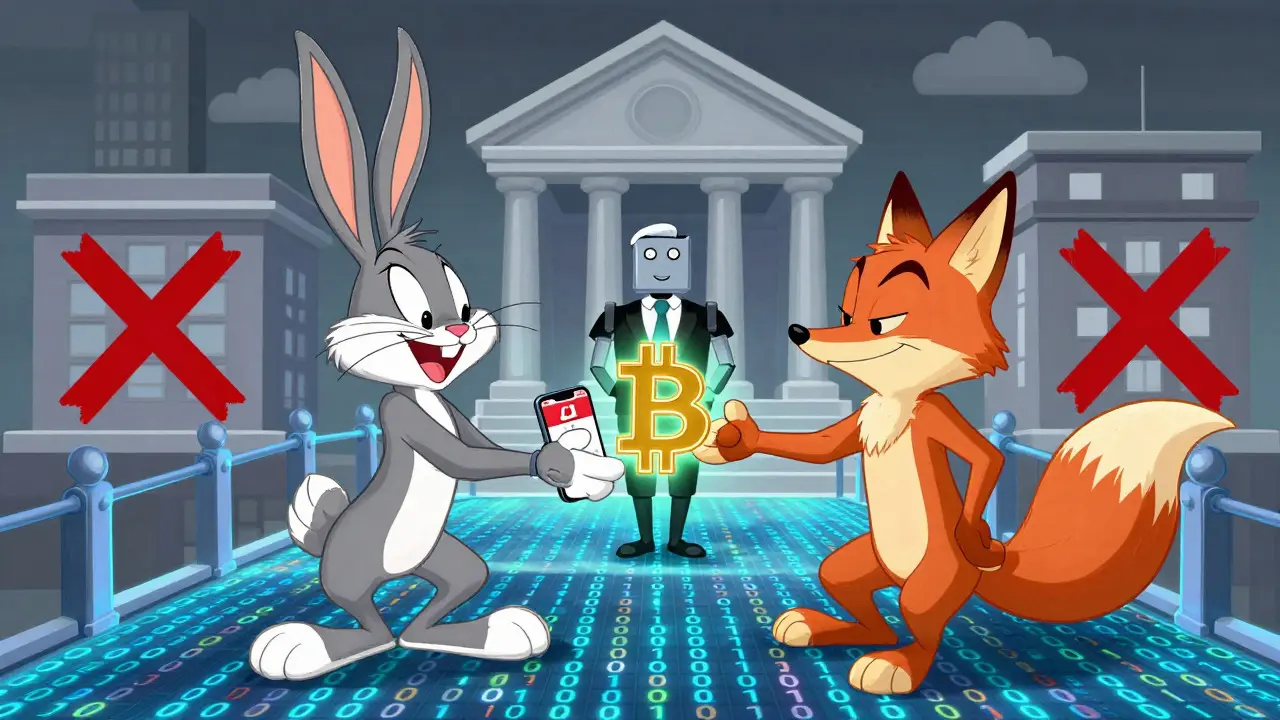
Peer-to-Peer (P2P) trading is not just a feature for Egyptian users; it is the primary infrastructure. In a standard exchange model, you deposit fiat currency into the exchange's bank account, which then credits your internal balance. In Egypt, that first step often fails. P2P removes the exchange from the payment chain. Instead, you transfer EGP directly to another individual’s bank account, and the platform holds the crypto in escrow until the seller confirms receipt.
This method offers three critical advantages for Egyptian traders:
- Bypassing Banking Blocks: Since the transfer looks like a personal payment between two individuals, banks rarely flag it unless the volume is suspiciously high.
- Currency Flexibility: You can pay via bank transfer, mobile wallets like Vodafone Cash, or even cash in person. This diversity is crucial when credit cards are declined.
- Zero Platform Fees: Many P2P markets charge zero fees for the actual swap, making it cheaper than using international remittance services.
The catch? You are trusting a stranger. But the platforms mitigate this with escrow systems. If the seller doesn’t release the crypto after receiving your EGP, you open a dispute. The platform steps in, reviews the chat logs and bank receipts, and decides who gets the funds. This trust mechanism is what keeps the underground market running smoothly.
Top Platforms for Egyptian Traders
Not all global exchanges are created equal when it comes to Egypt. Some restrict access entirely, while others have tailored their interfaces specifically for the region. Based on current activity and reliability, three platforms dominate the landscape.
| Platform | Key Advantage for Egypt | Payment Methods | User Base Size |
|---|---|---|---|
| Bybit | Arabic interface, Shariah-compliant options, zero P2P fees | Bank Transfer, Vodafone Cash, Apple Pay | High liquidity for EGP |
| Binance | Largest global user base, diverse merchant sellers | Multiple EGP bank accounts, Mobile Wallets | Very High |
| Bitget | User-friendly interface, strong customer support | Bank Transfer, Local Wallets | Growing rapidly |
Bybit has emerged as a favorite among Egyptian traders because it speaks their language-literally and culturally. It offers a fully Arabic interface and specific Shariah-compliant trading products, addressing the religious concerns mentioned earlier. With over 1,700 cryptocurrencies available and a spot trading fee of just 0.1%, it balances variety with cost-efficiency. More importantly, its P2P marketplace supports direct EGP deposits via major banks and mobile money providers like Vodafone Cash, which is ubiquitous in Egypt.
Binance remains the giant in the room. Its sheer size means there is always a buyer or seller available at any hour. For Egyptians, this liquidity is vital. You don't want to wait days for a trade to fill. Binance’s P2P section lists hundreds of merchants selling USDT or BTC for EGP. However, the interface is less localized than Bybit’s, and new users often find the verification process more stringent.
Bitget and Rain are gaining traction as alternatives. They often offer competitive rates and simpler onboarding processes. For institutional players or those managing larger volumes, OKX is sometimes recommended due to its robust security features, though its P2P liquidity for EGP may be lower than Binance or Bybit.
Step-by-Step: How to Execute a Safe Trade
Entering the P2P market without a plan is risky. Here is the practical workflow used by experienced Egyptian traders to minimize exposure to scams and banking issues.
- Choose Your Counterparty Wisely: Never look at price alone. Look for "Verified" badges and a high completion rate (above 95%). Check the number of orders completed. A seller with 1,000+ orders is significantly safer than one with 10.
- Read the Terms: Before clicking "Buy," read the seller’s terms. Some require you to use a specific bank account name. Others ban transfers from certain banks. Ignoring these terms is the #1 reason disputes are lost.
- Keep Communication Inside the App: Never move the conversation to WhatsApp or Telegram. If a dispute arises, the platform only cares about messages sent within its own chat system. External chats are inadmissible evidence.
- Match the Names: When sending EGP, ensure the beneficiary name on the bank transfer matches the seller’s verified name exactly. Do not add notes like "For Bitcoin" in the transfer description. Use generic references like "Services" or leave it blank to avoid triggering bank filters.
- Release Only After Confirmation: As a buyer, do not click "Payment Sent" until the money has actually left your account. As a seller, do not release crypto until you see the funds in your bank account, not just a screenshot of the transfer.

Risks and Security Pitfalls
The underground nature of this market means you lack consumer protection. If a platform shuts down your account due to a sudden regulatory shift, you have no local authority to call. Therefore, security is your responsibility.
First, beware of "overpayment" scams. A buyer might claim they sent too much money and ask you to refund the difference. Check your bank app directly. If the extra amount isn't there, ignore them. Second, watch out for fake bank alerts. Scammers send screenshots of successful transfers. Always verify via your own banking portal.
Third, consider the tax implications. While enforcement is currently lax, the Egyptian government is increasingly interested in blockchain technology for supply chains and land registration. This suggests future regulations could tighten. Keep records of your trades. Using hardware wallets for long-term storage is essential. Leaving large sums on exchanges, especially those operating in a legal gray area, exposes you to counterparty risk.
The Future of Crypto in Egypt
Will the underground era end soon? Probably not immediately. The CBE maintains its restrictive stance on unlicensed operations. However, the government’s interest in blockchain for state functions indicates a potential softening of attitude toward the technology itself. Nigeria leads Africa in crypto ownership, but Egypt is closing the gap, driven by inflation hedging and remittance needs.
Until a clear legal framework emerges, P2P will remain the backbone of Egyptian crypto trading. The ecosystem is evolving, becoming more professionalized with higher-volume merchants and better dispute resolution mechanisms. For now, the key to success is patience, vigilance, and choosing platforms that respect the local context.
Is crypto trading illegal in Egypt?
Holding cryptocurrency is not explicitly illegal for individuals. However, Law No. 194 of 2020 prohibits issuing, trading, or promoting digital currencies without approval from the Central Bank of Egypt. This creates a regulatory gray area where domestic exchanges cannot operate legally, forcing users to rely on international platforms and P2P methods.
Which P2P platform is best for Egyptians?
Bybit is currently highly regarded for its Arabic interface, Shariah-compliant options, and zero P2P fees. Binance is also a top choice due to its massive liquidity and wide range of EGP payment methods. Bitget is a growing alternative with a user-friendly experience.
Can I use my Egyptian bank card to buy crypto?
Directly buying crypto with a debit or credit card on an exchange is often blocked by Egyptian banks. Most traders use P2P platforms, transferring EGP via bank transfer or mobile wallets (like Vodafone Cash) to other users, which appears as a standard personal transaction to the bank.
How do I avoid getting scammed on P2P?
Always trade with verified merchants who have high completion rates (95%+) and many orders. Keep all communication within the platform's chat. Verify payments directly in your bank app, not via screenshots. Ensure the bank account name matches the seller's profile exactly.
Is Bitcoin considered Haram in Egypt?
Opinions vary. Dar al-Ifta previously declared Bitcoin haram, but recent interpretations suggest it could be halal if properly regulated and economically safe. Platforms like Bybit offer Shariah-compliant trading options to address these concerns for conservative investors.
What happens if my bank blocks a P2P transaction?
If your bank flags a transfer, contact your bank immediately to explain it is a personal transaction. To prevent this, avoid using keywords like "crypto" or "Bitcoin" in transfer descriptions. Diversifying your payment methods (using different banks or mobile wallets) can also help mitigate risks.